



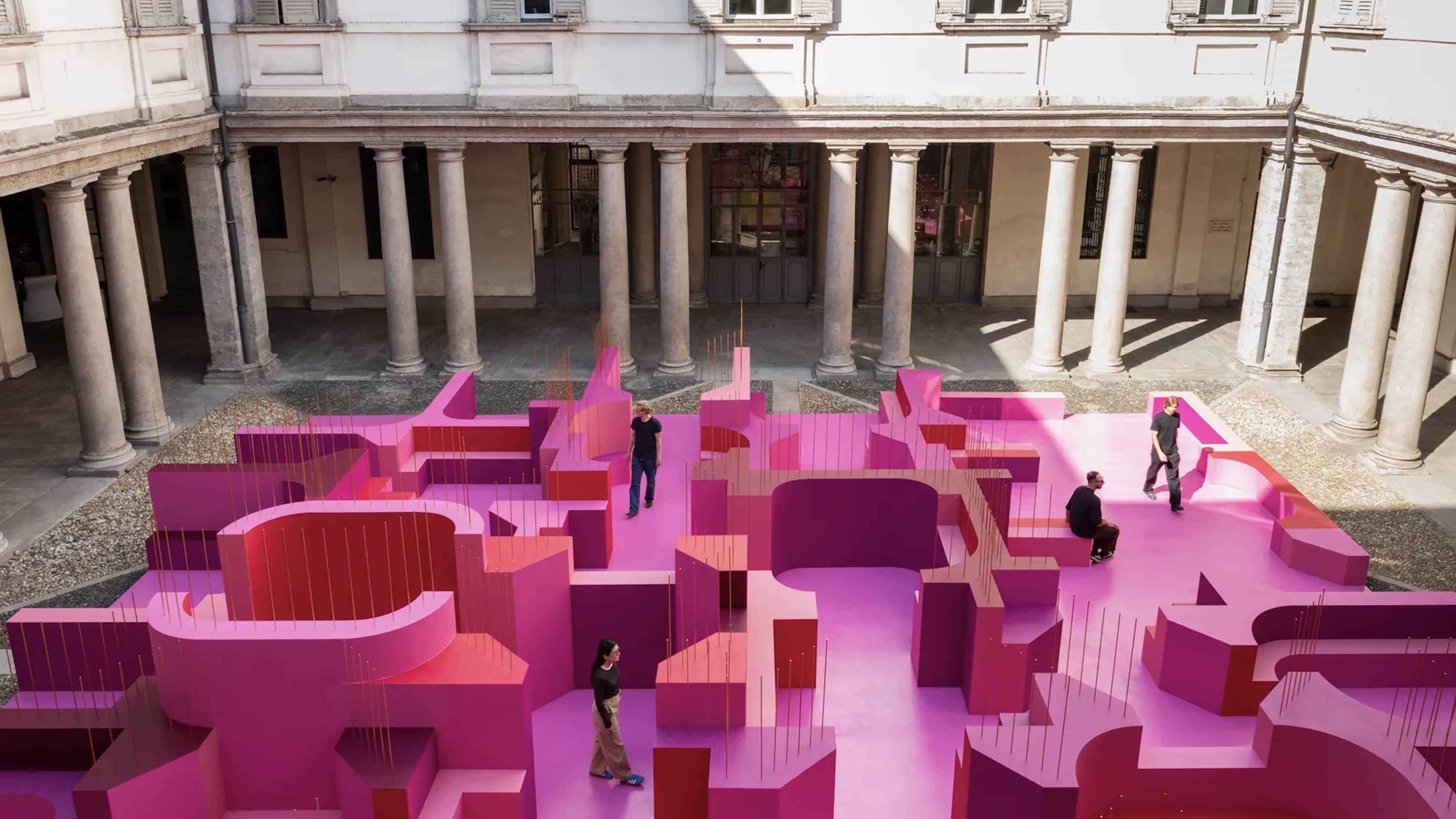
Milan Design Week 2026 gave us a clear view into where design is heading. As we moved through showrooms and installations, we saw a consistent focus on continuity, material integrity, and spatial thinking. Instead of dramatic departures, the strongest presentations refined existing ideas, pushing proportion, design, and atmosphere in more considered ways.
What stood out to us most was a shared commitment to longevity, design that evolves, adapts, and holds relevance over time. Here are some of the standout brands we experienced.
Please contact us here with any questions about any of these new collections.
 Share
Share
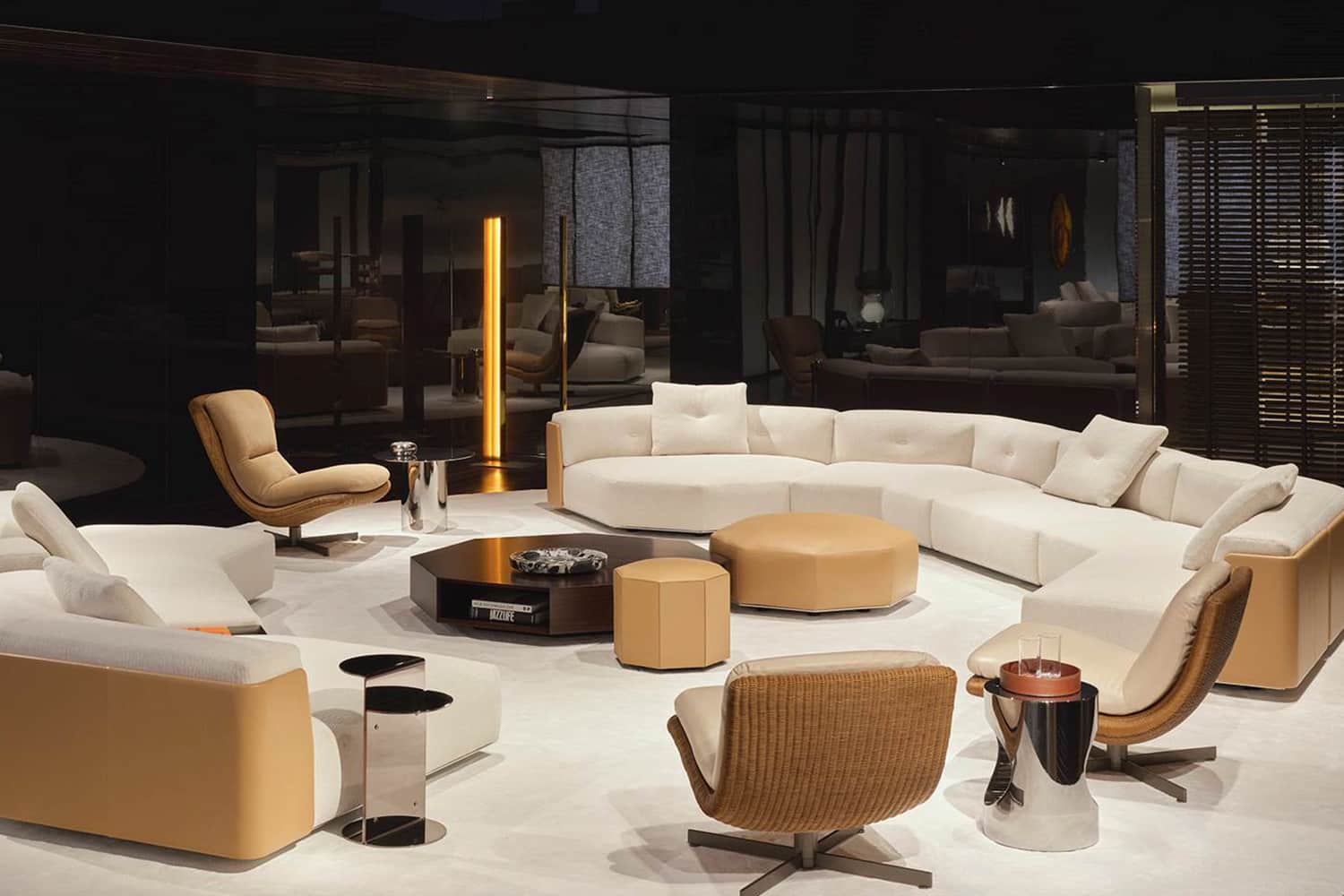
Minotti
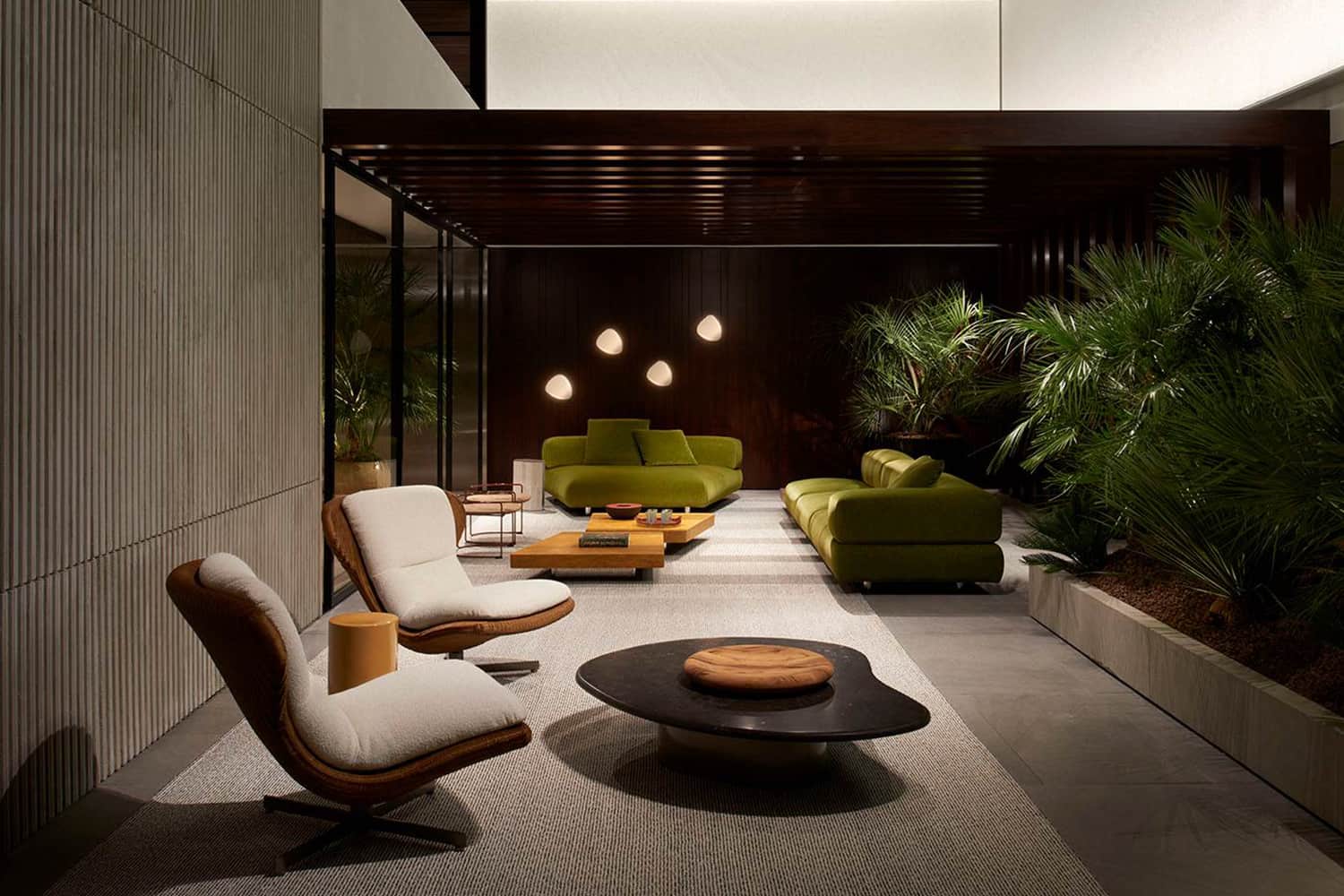
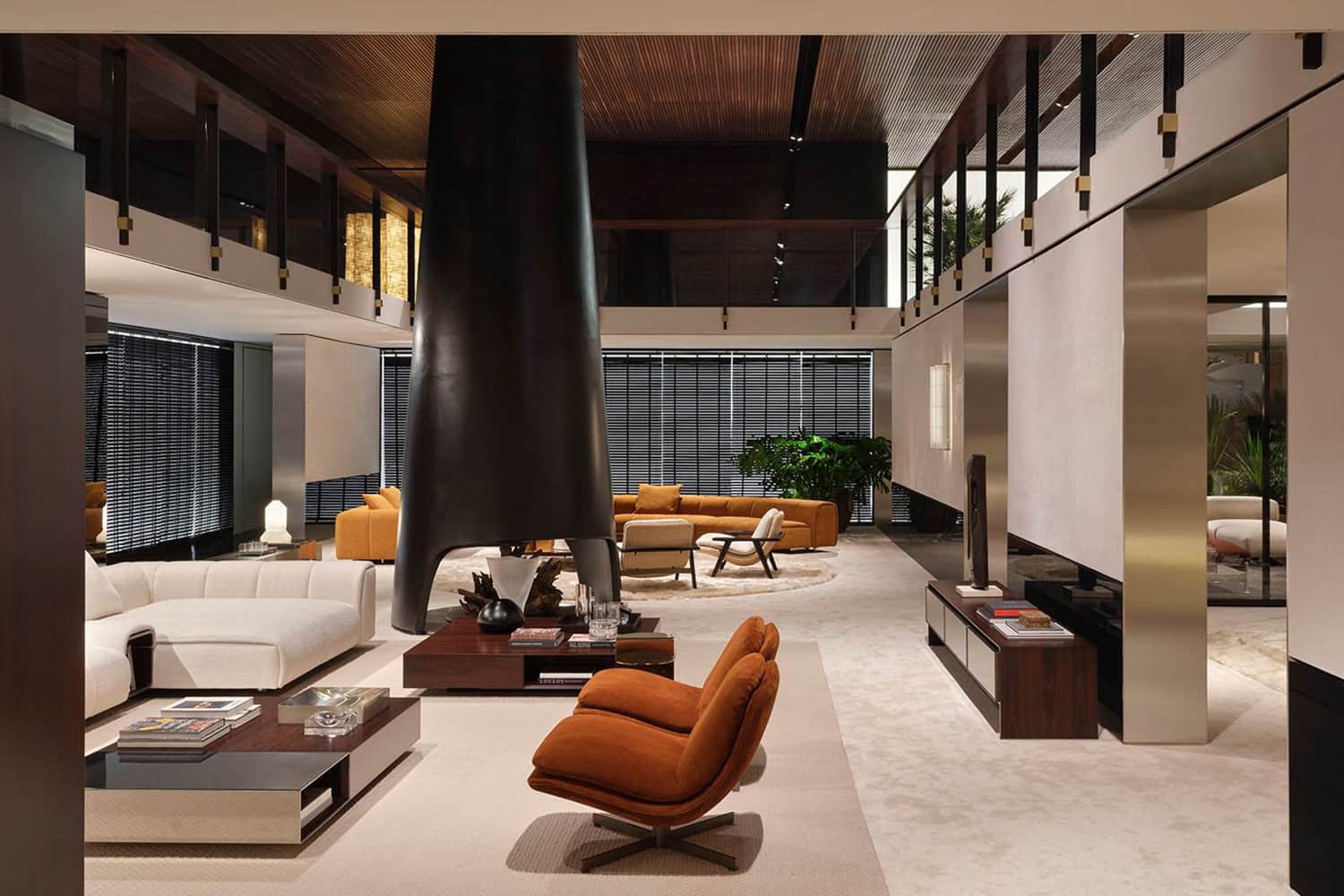
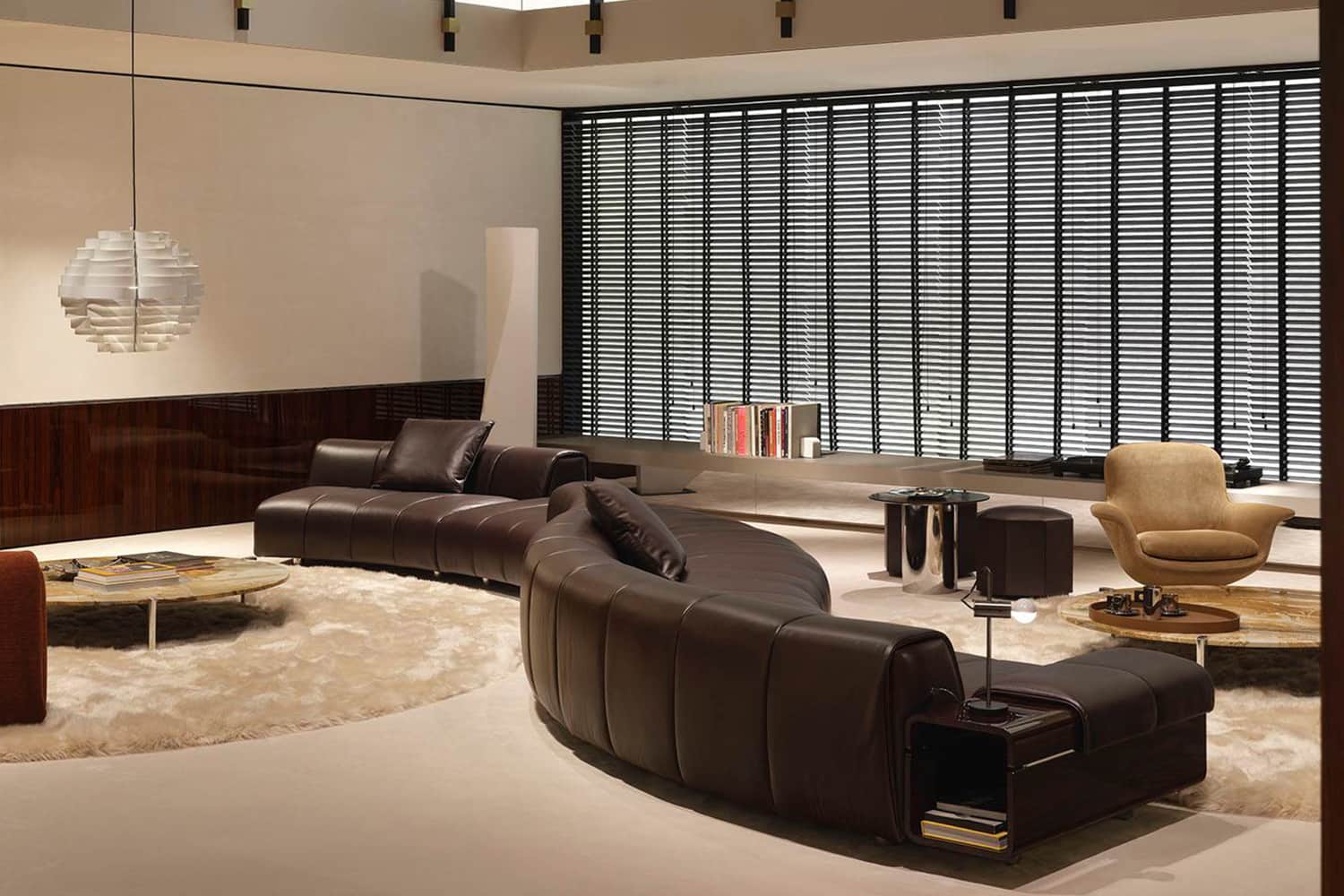
We saw Minotti continue to build on its architectural foundation, bringing together designers including Marcio Kogan / Studio MK27, Nendo, GamFratesi, Hannes Peer, and Giampiero Tagliaferri. New seating systems like Orion, Ruffle, and Softcase expand the brand’s language, where proportion and material work together across complete interior environments.
B&B Italia
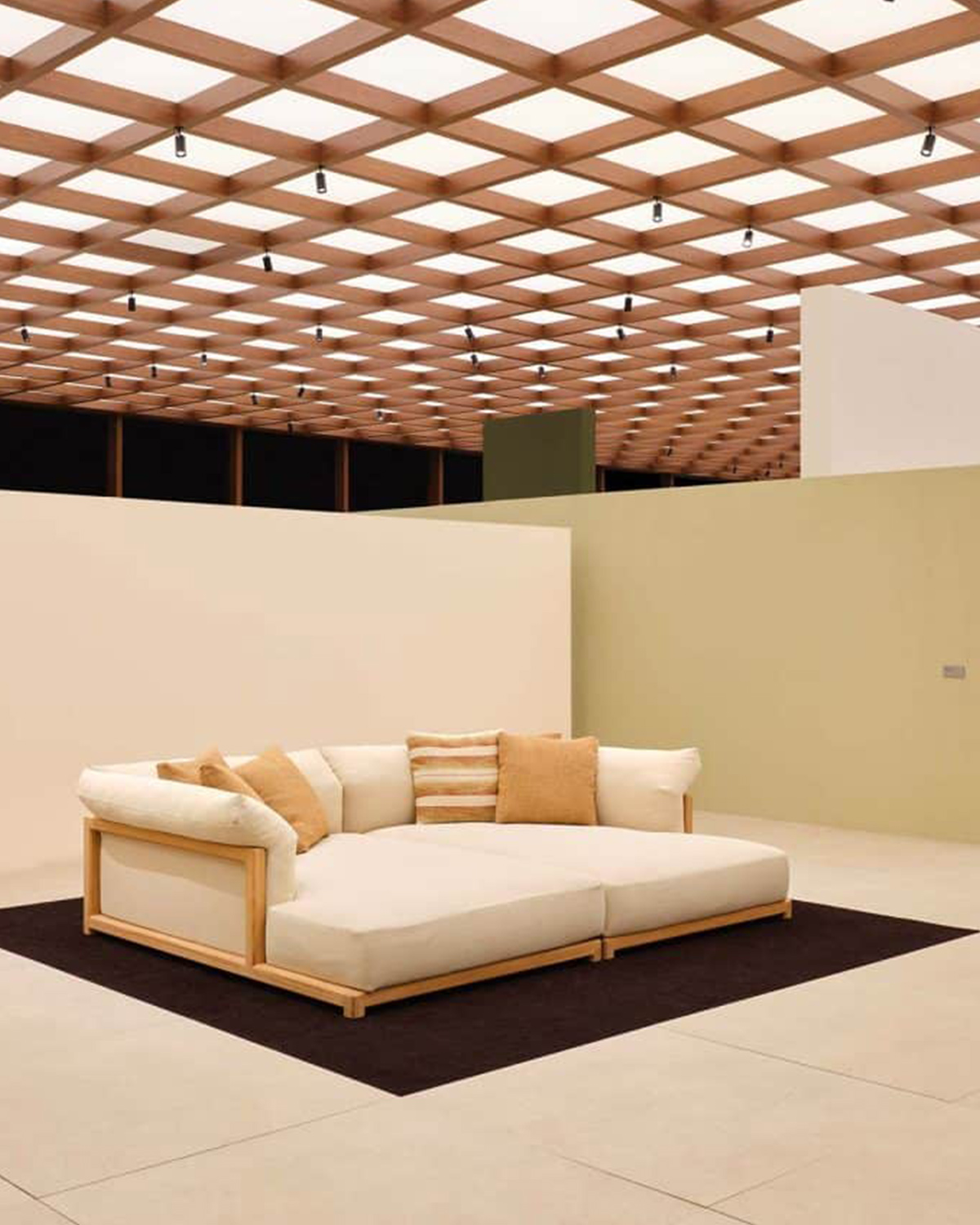
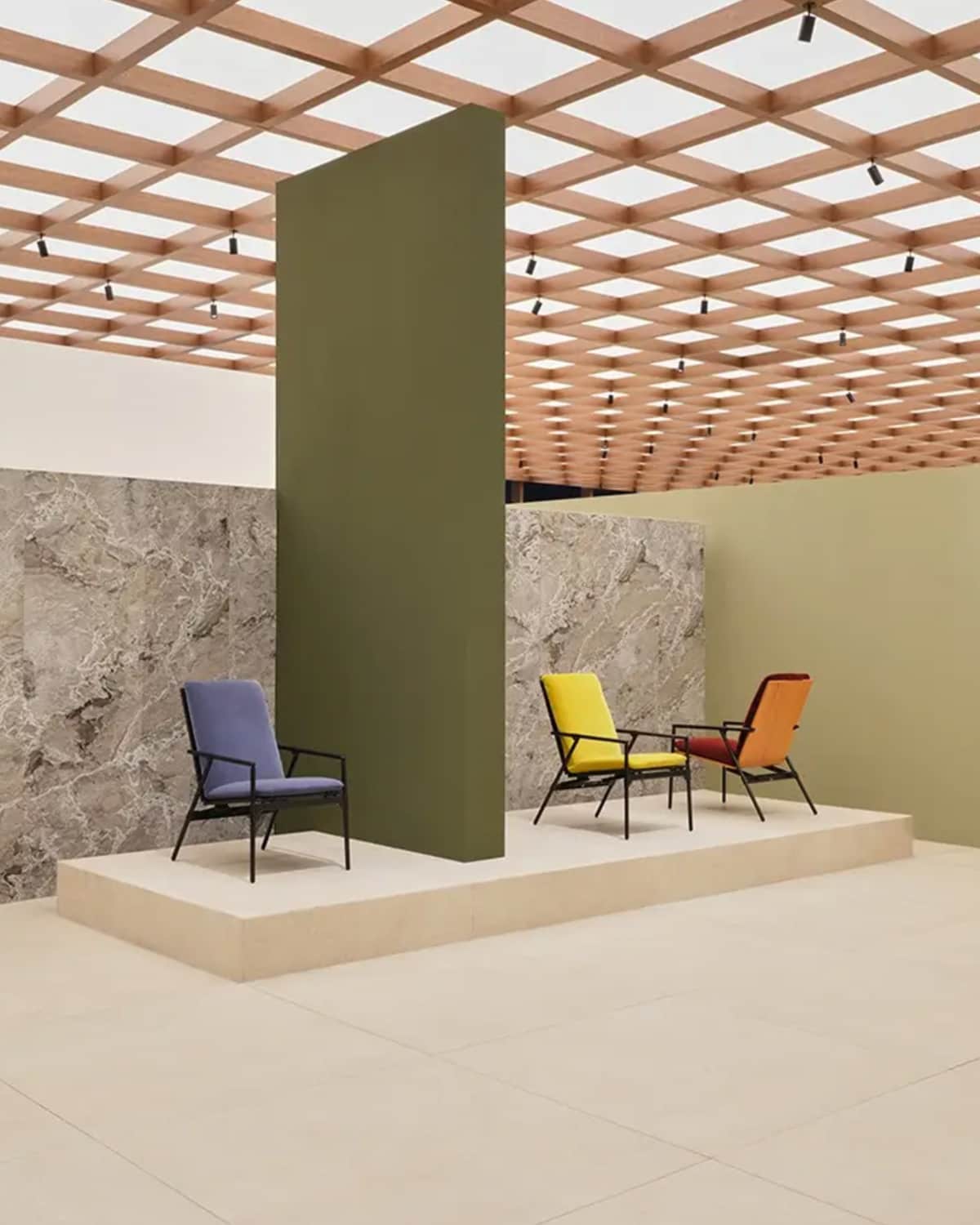
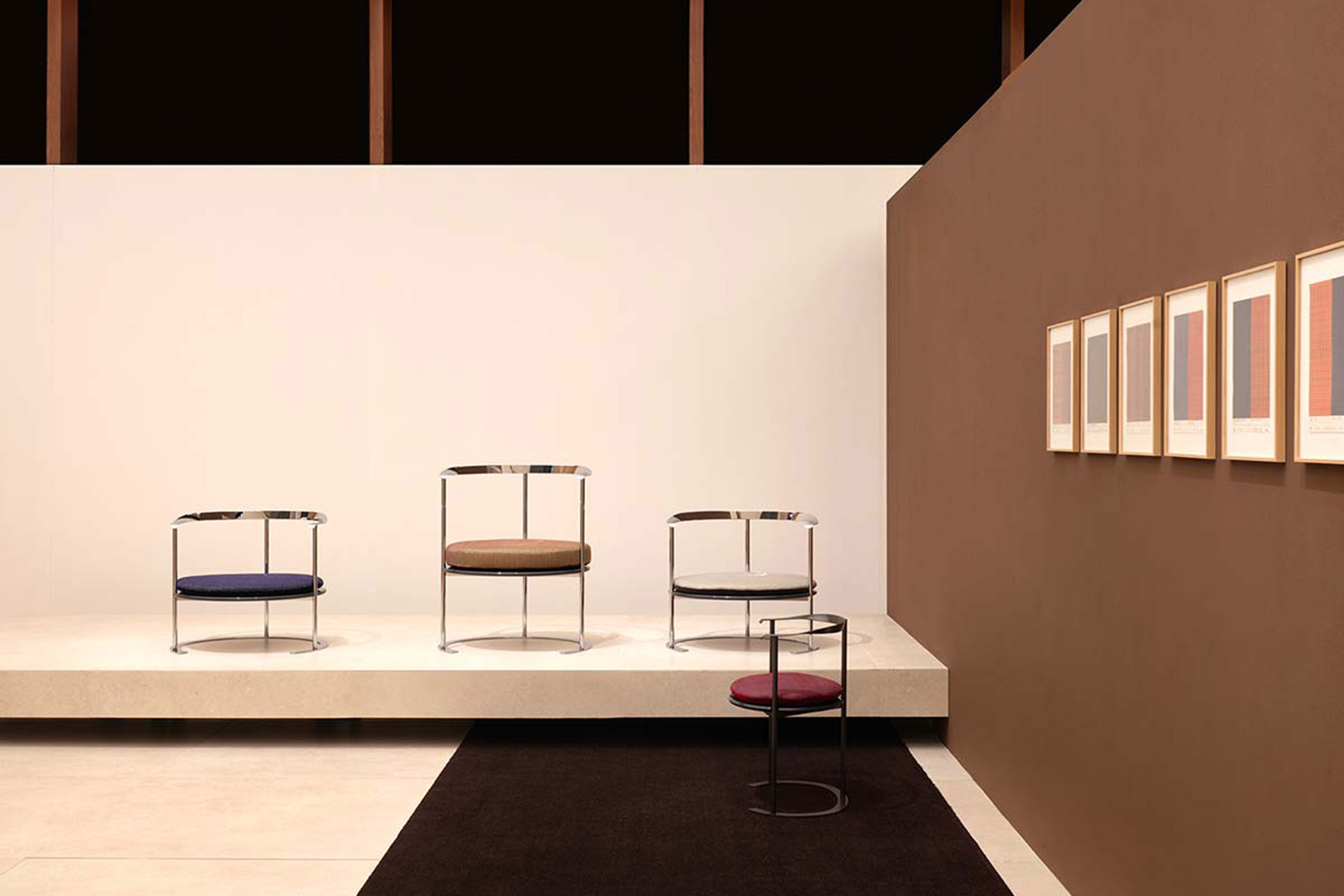
At B&B Italia, the focus shifts back to the essentials. The installation, designed by Formafantasma, takes on a more gallery-like approach, where pieces are pared down and given space to stand on their own. The emphasis is on clarity, material, and form. The result feels intentional, highlighting the strength of individual designs while reinforcing the brand’s ongoing dialogue between past and present, bringing back iconic work, like that from Richard Sapper in 1984.
Maxalto
Maxalto’s collection, developed under the direction of Antonio Citterio, continues to refine its language of structure and restraint. New additions, including the Luminor storage pieces, extend a system built on precision, proportion, and a more intimate approach to living.
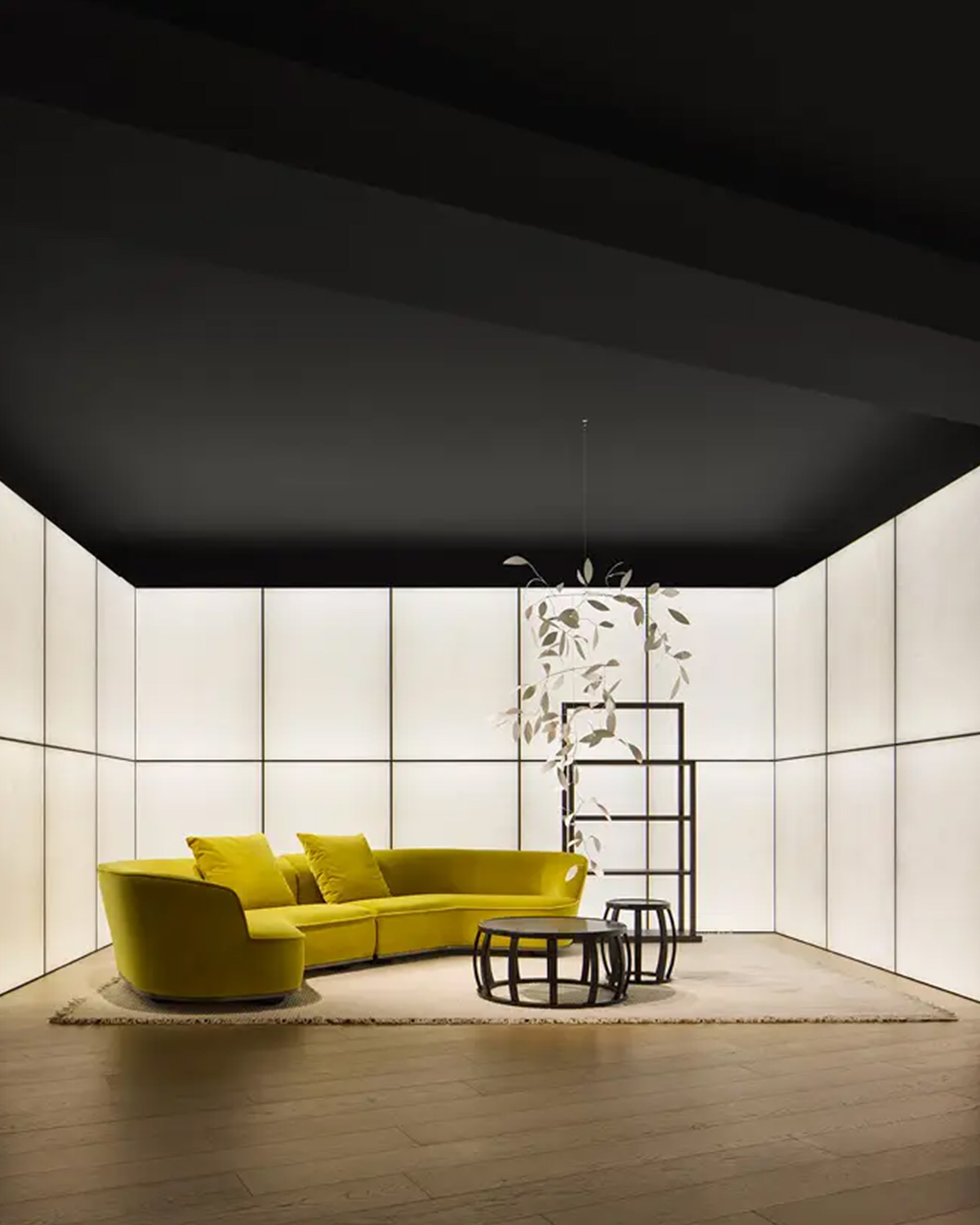
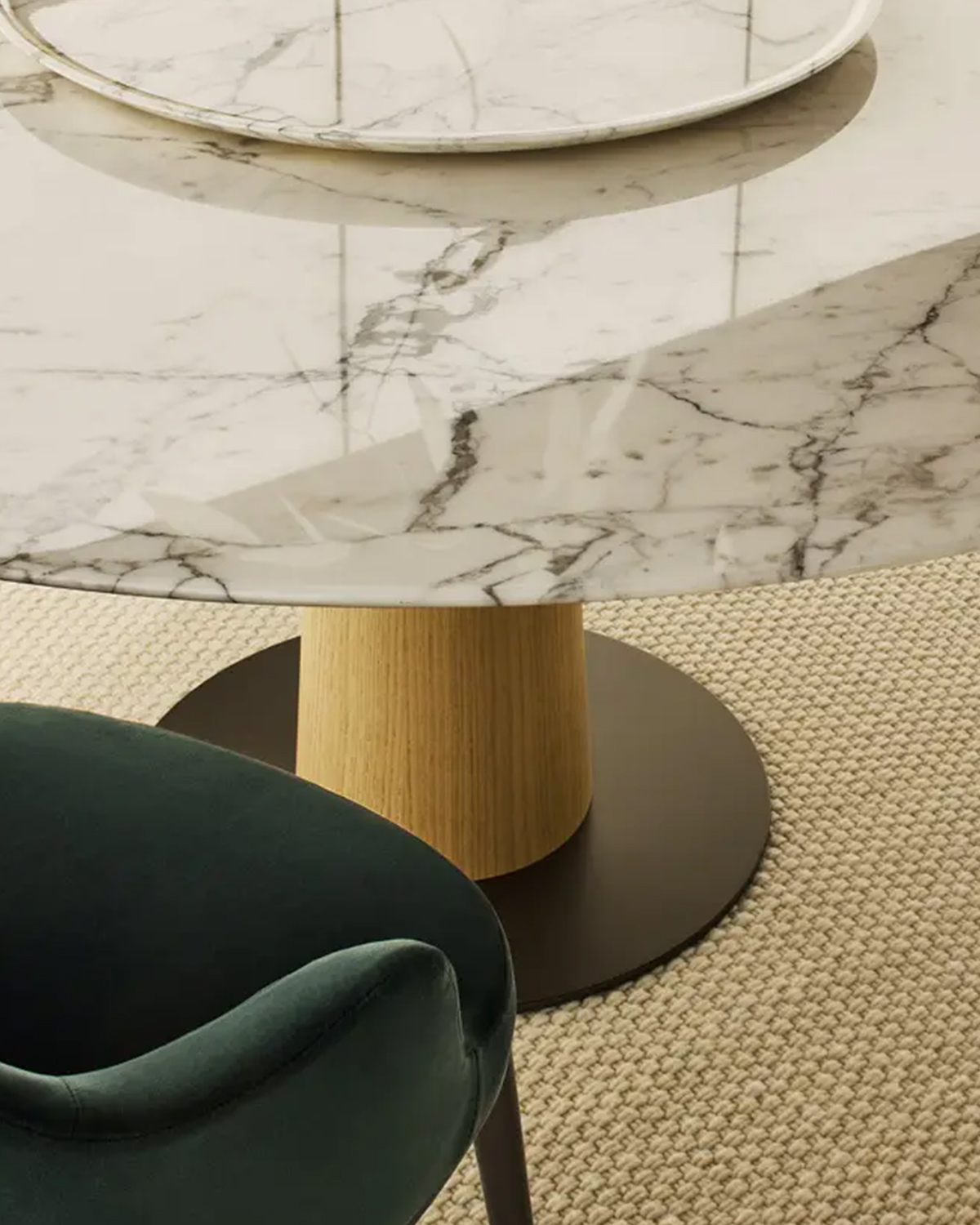
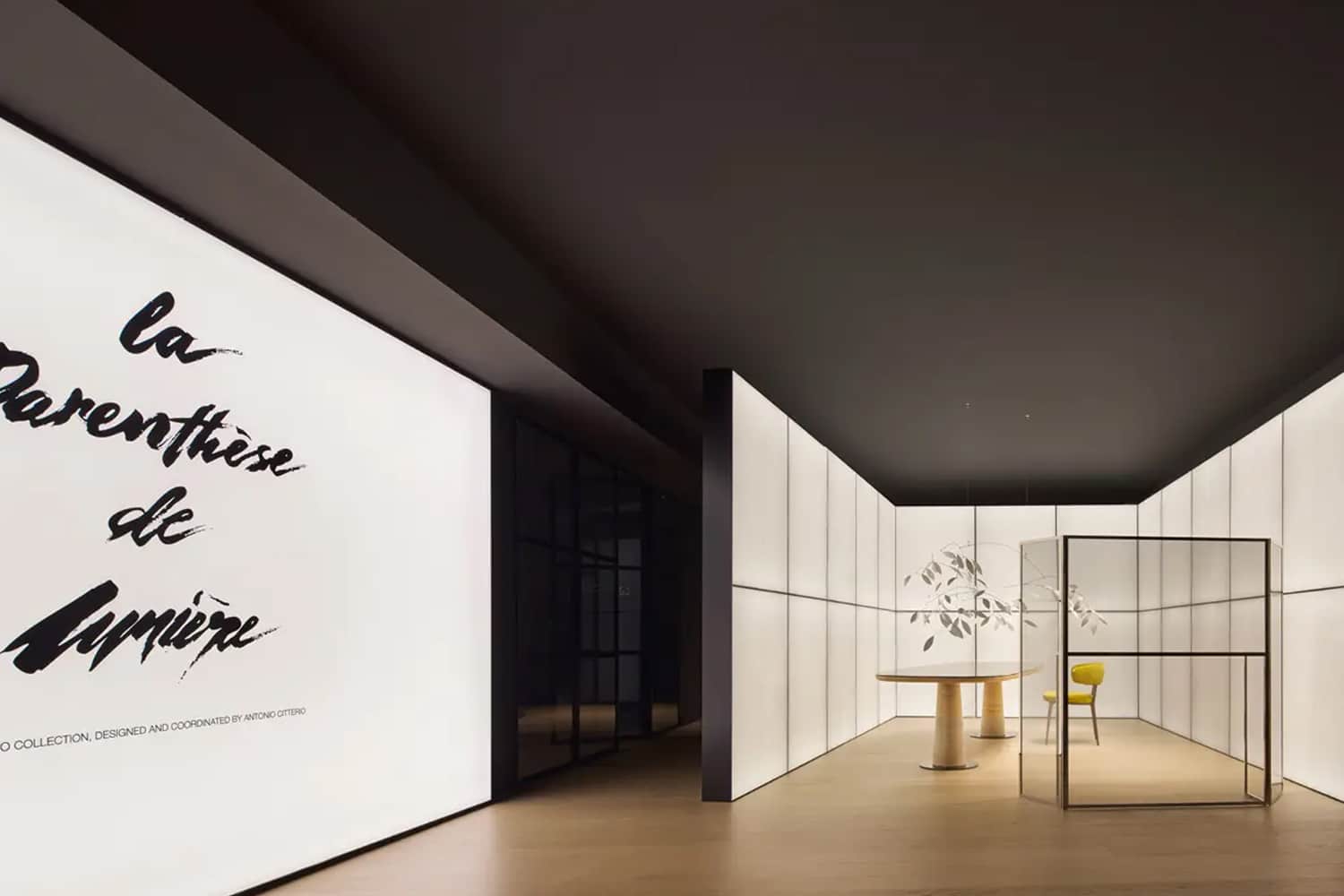
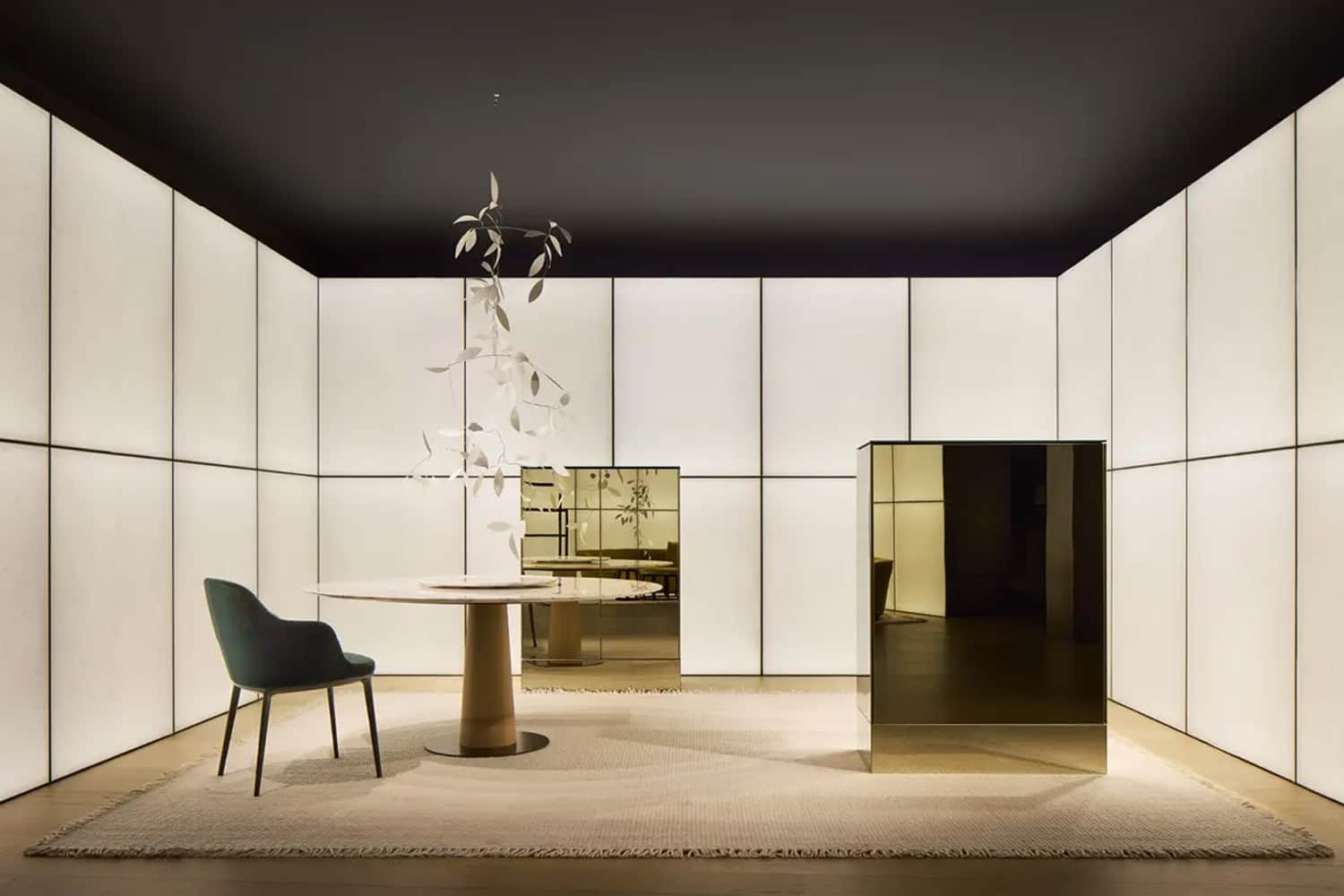
Poltrona Frau
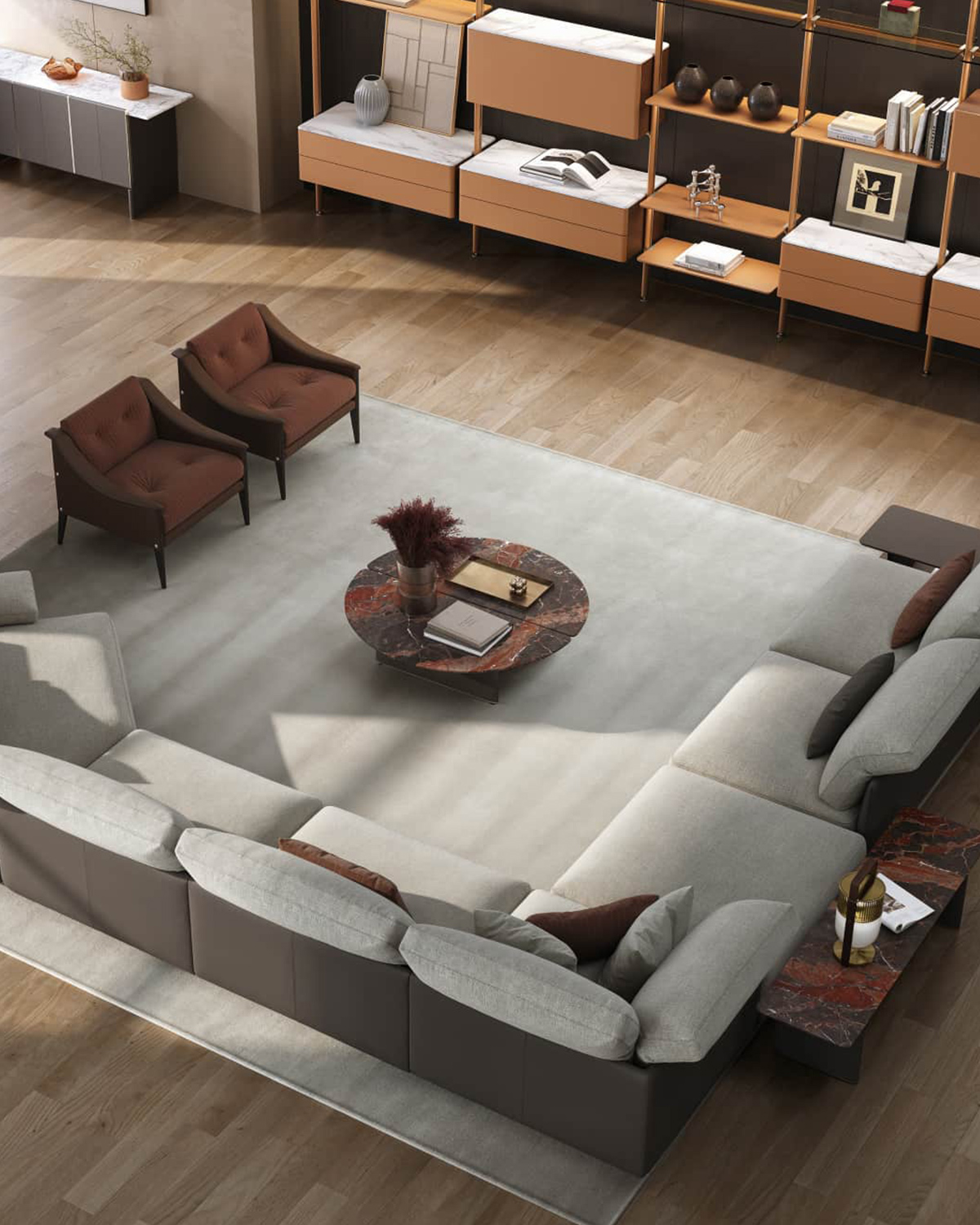
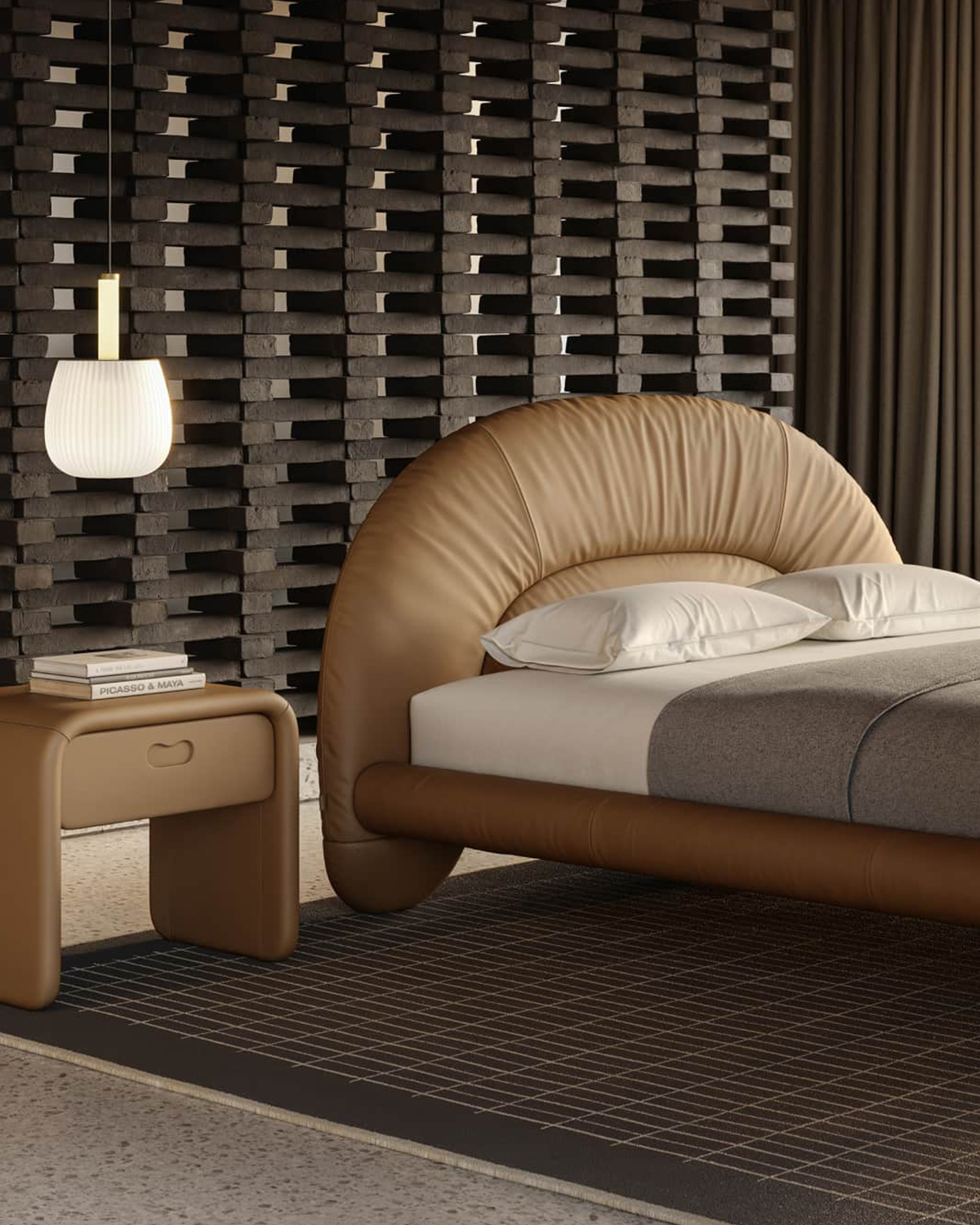
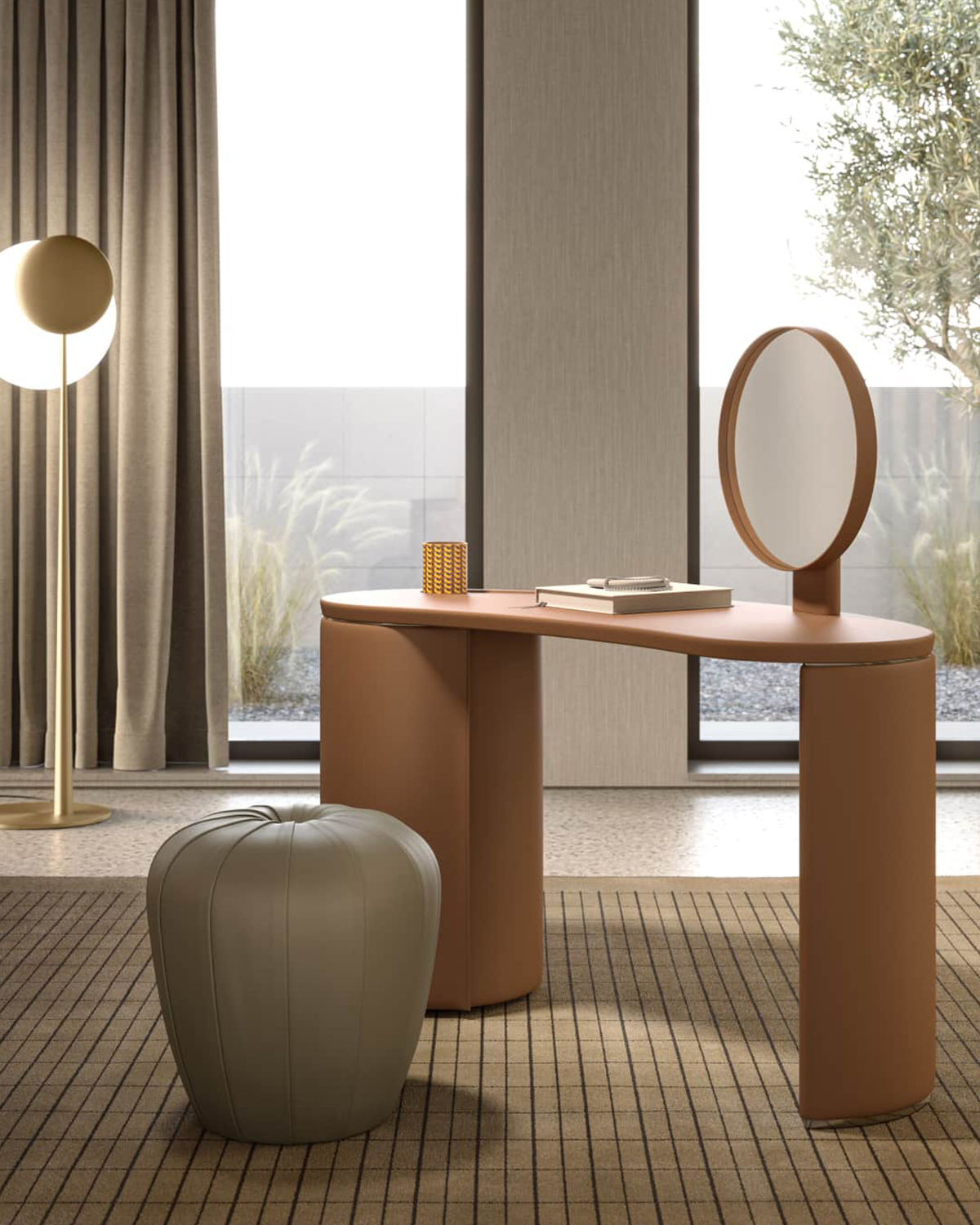
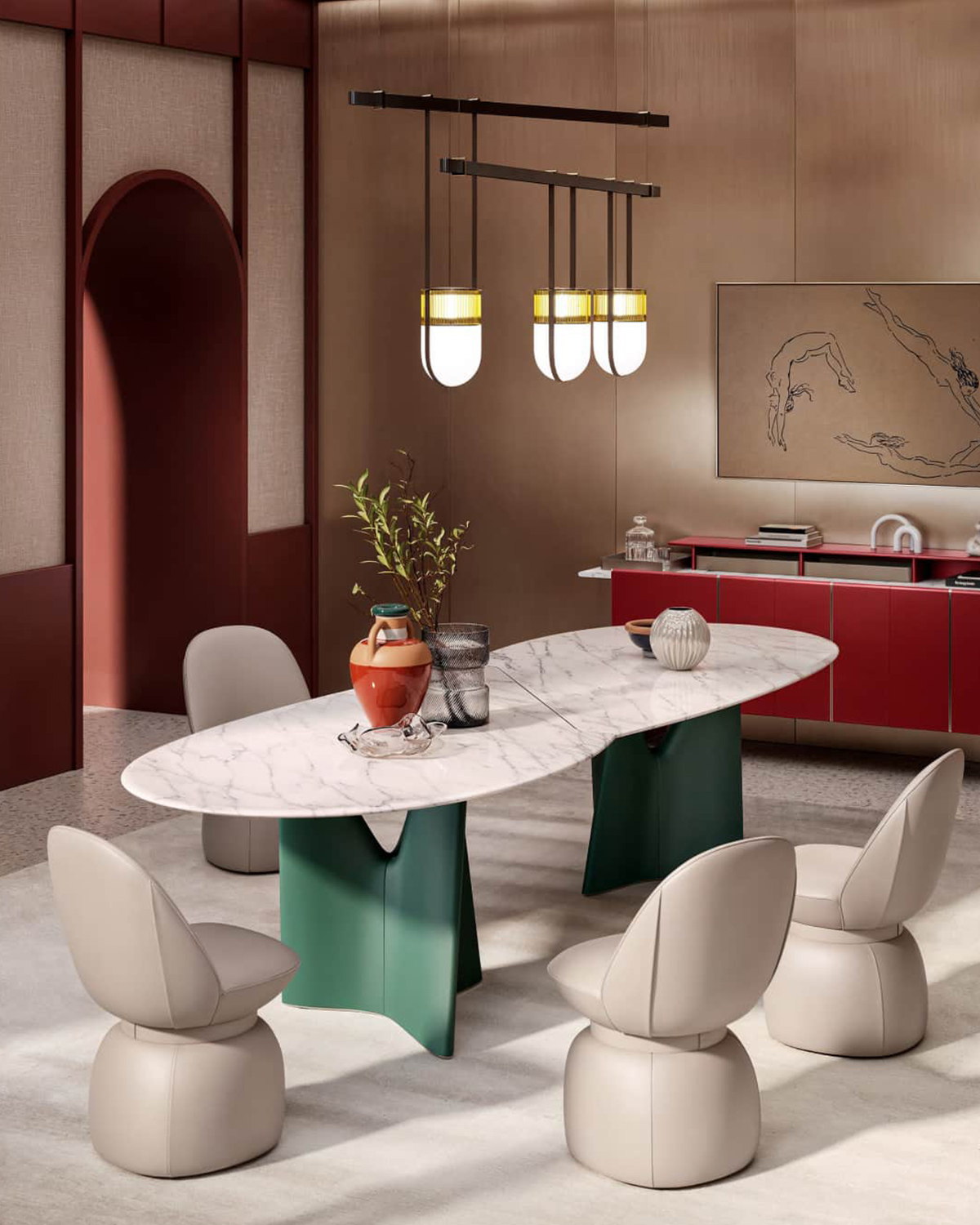
With their new collection, True Over Time, Poltrona Frau introduces new and expanded systems including the Archibald Sofa System by Jean-Marie Massaud, Blisscape Deep by Ludovica Serafini and Roberto Palomba, and the LieLow bed by Faye Toogood. The collection reinforces a focus on longevity through material, especially leather, and evolving forms.
USM
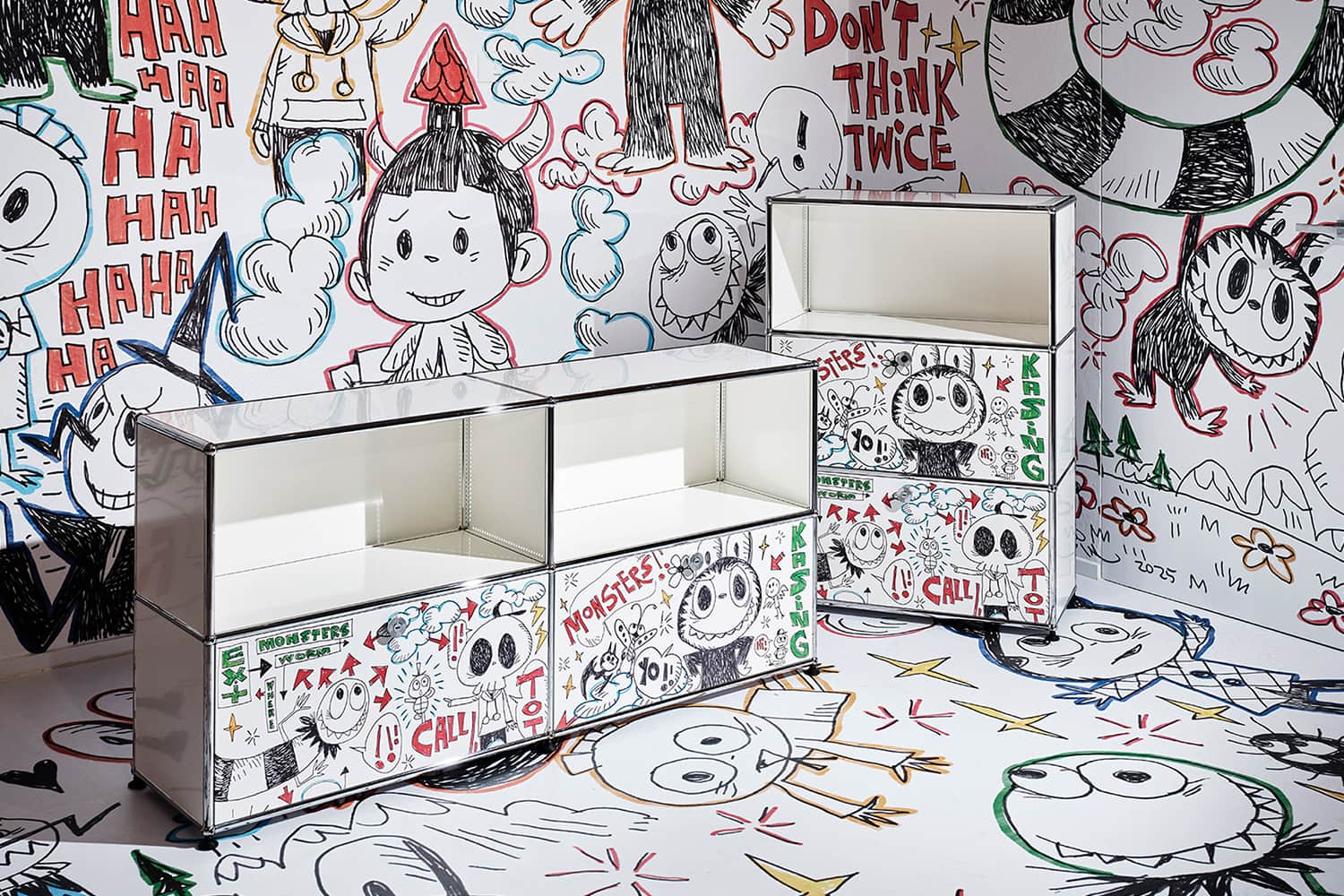
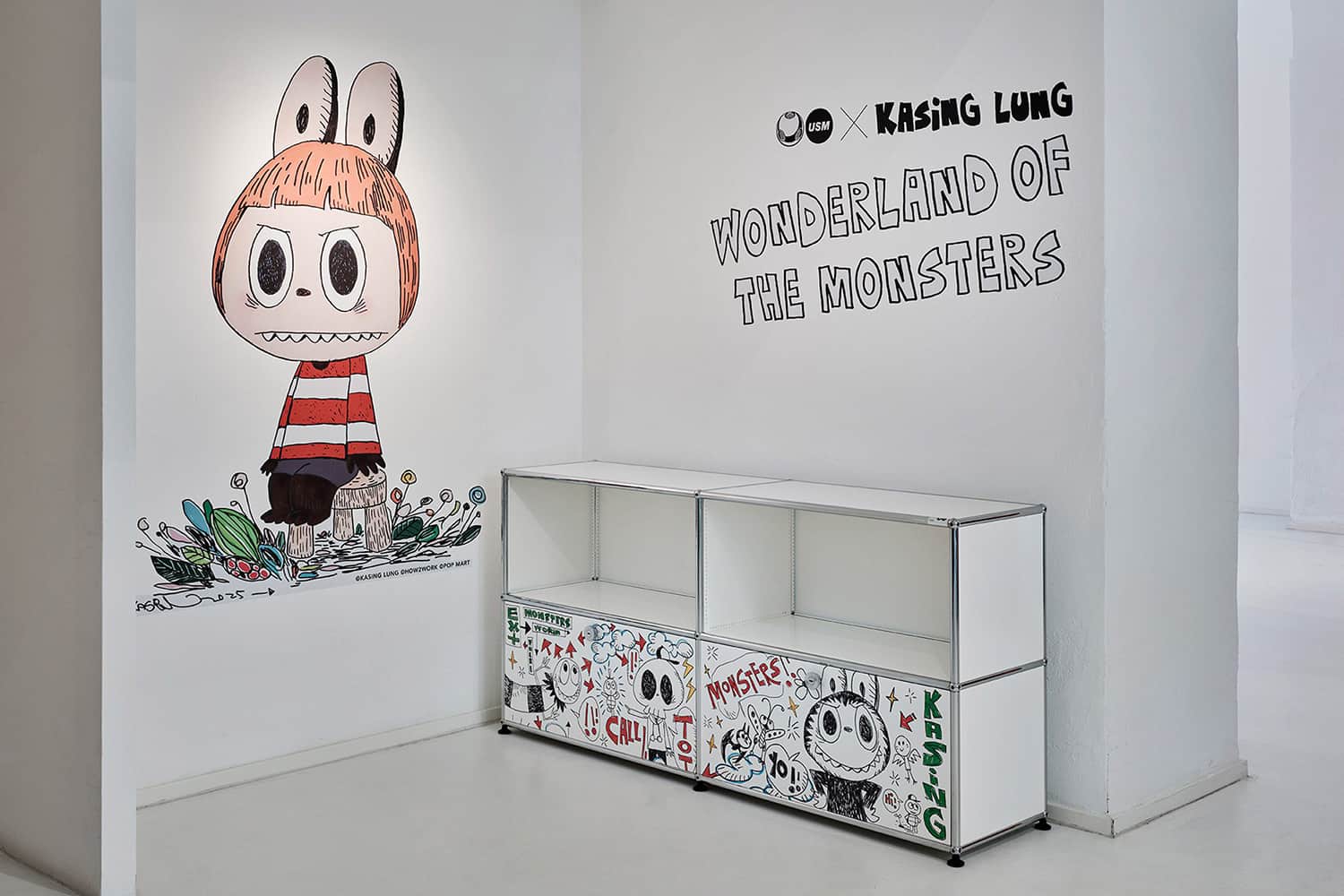
USM rethinks its Haller system through an immersive installation, Renaissance of the Real, created with Snøhetta and Annabelle Schneider. The system moves beyond storage into something more spatial and experiential, emphasizing interaction, atmosphere, and flexibility.
Cappellini
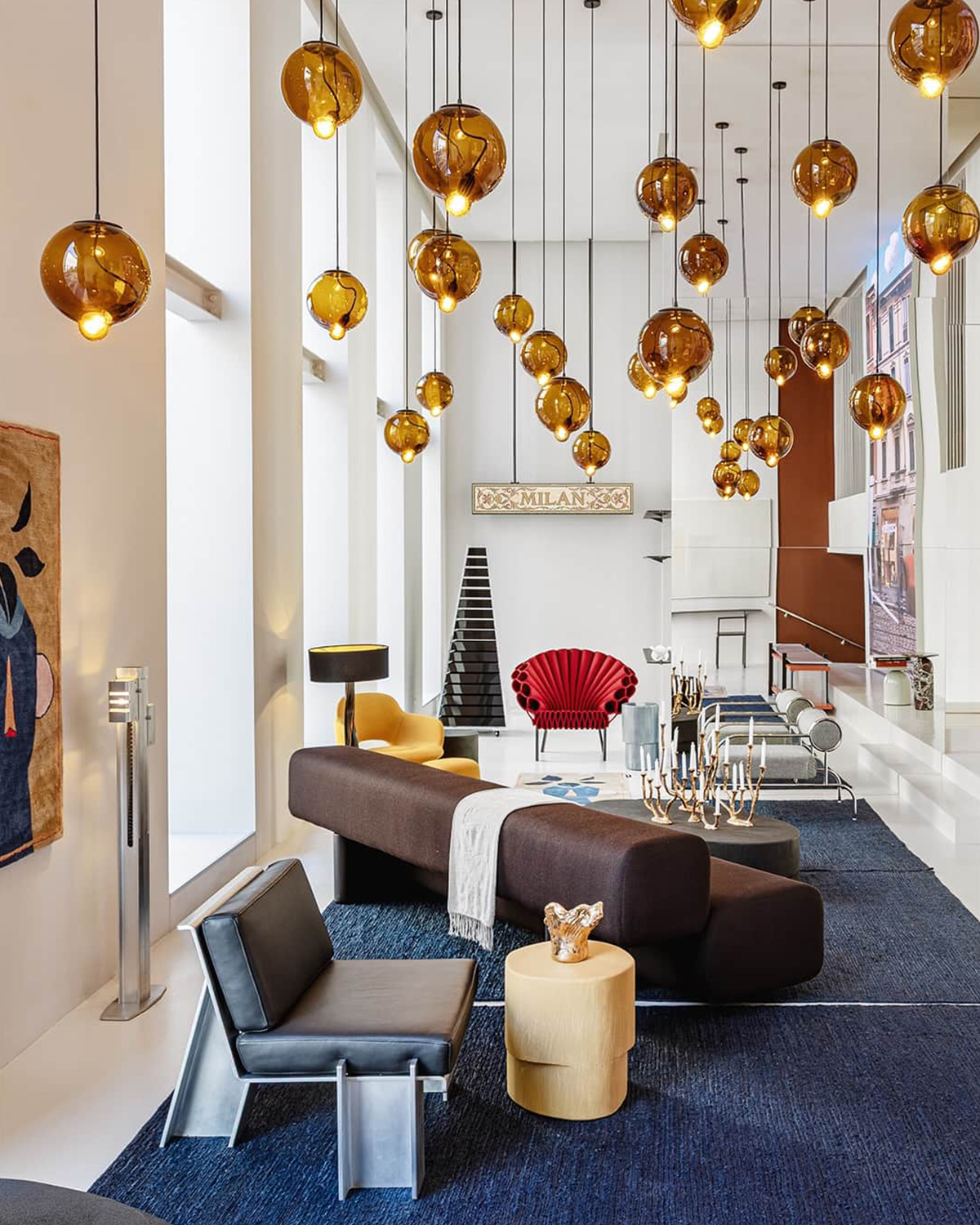
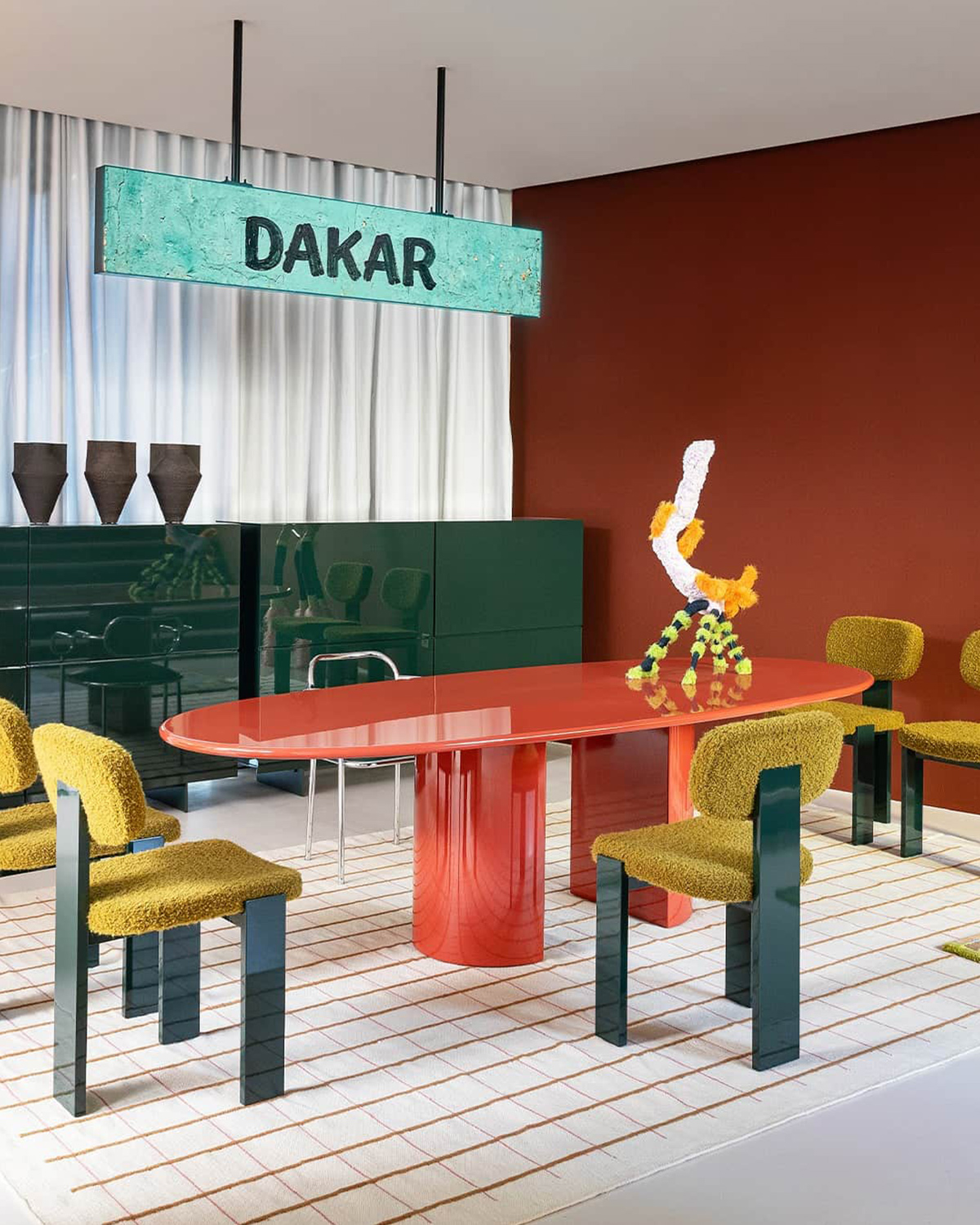
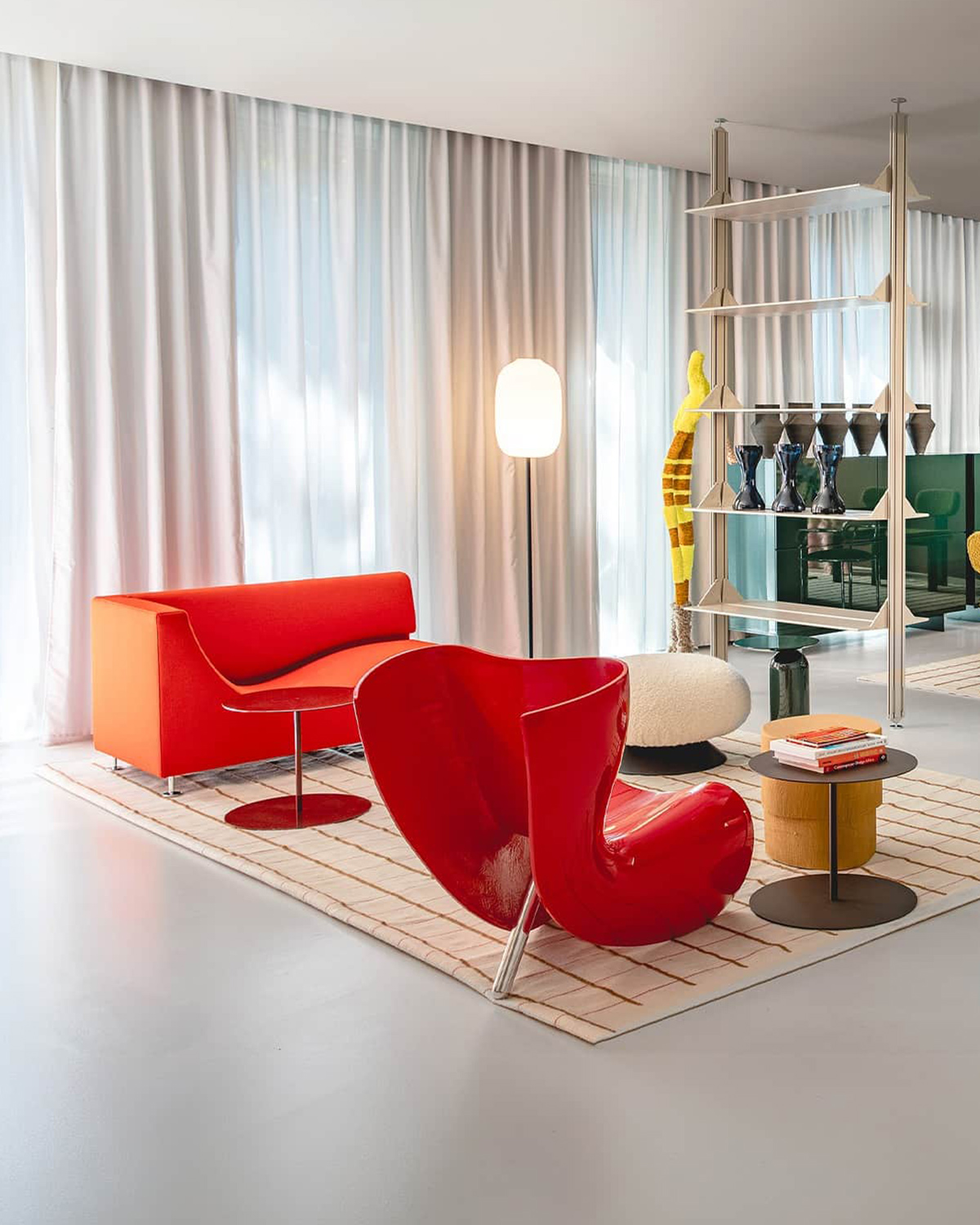
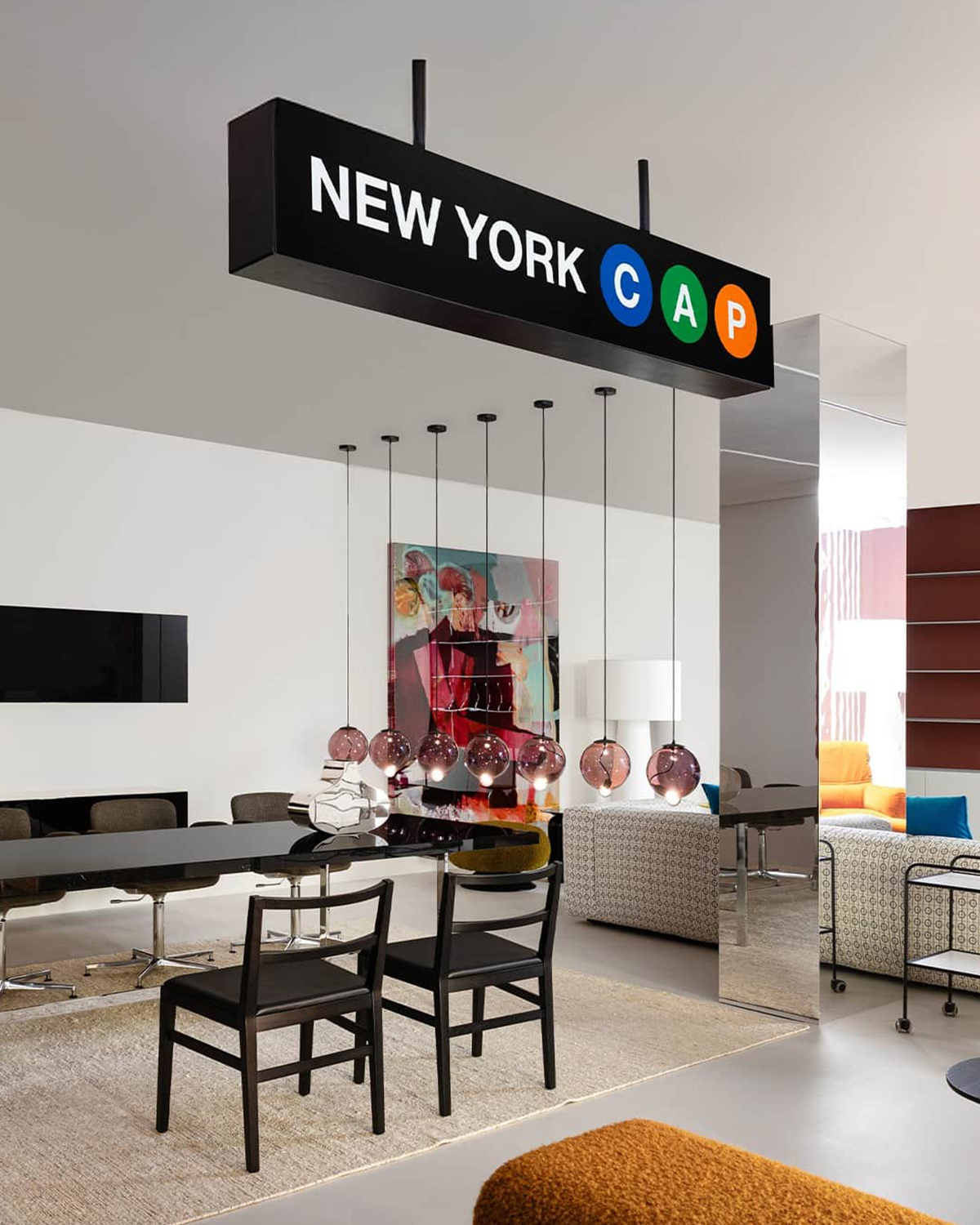
At Cappellini, Carnet de Voyage unfolds as a story of global multiculturalism. Led by Giulio Cappellini, the collection explores intersections of culture, form, and material, bringing together a range of international perspectives. The result feels layered and open-ended, where interiors move beyond geography and convention. What stands out is the sense of exchange, design as a dialogue across cultures, expressed through pieces that balance experimentation with everyday use.
Poliform
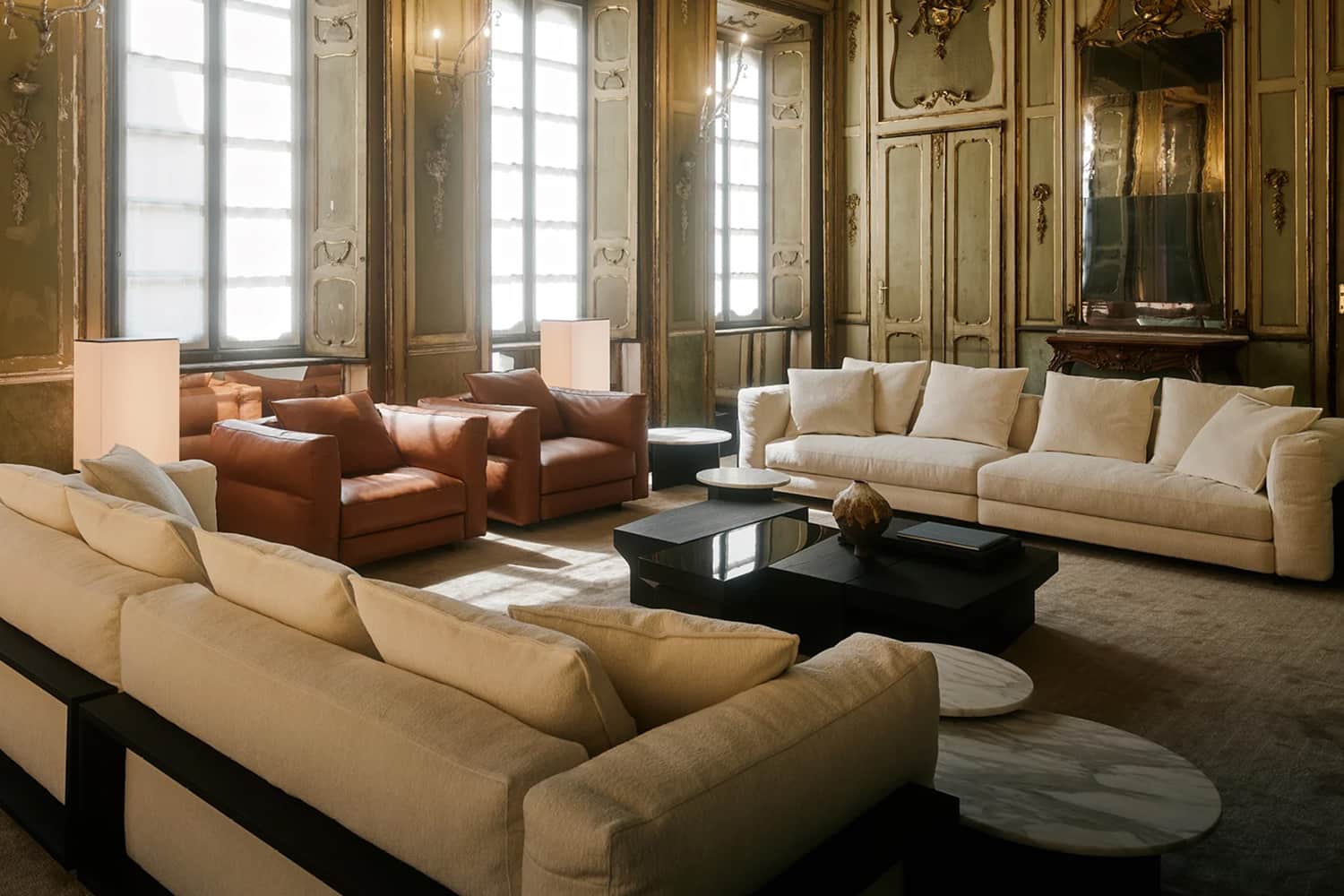
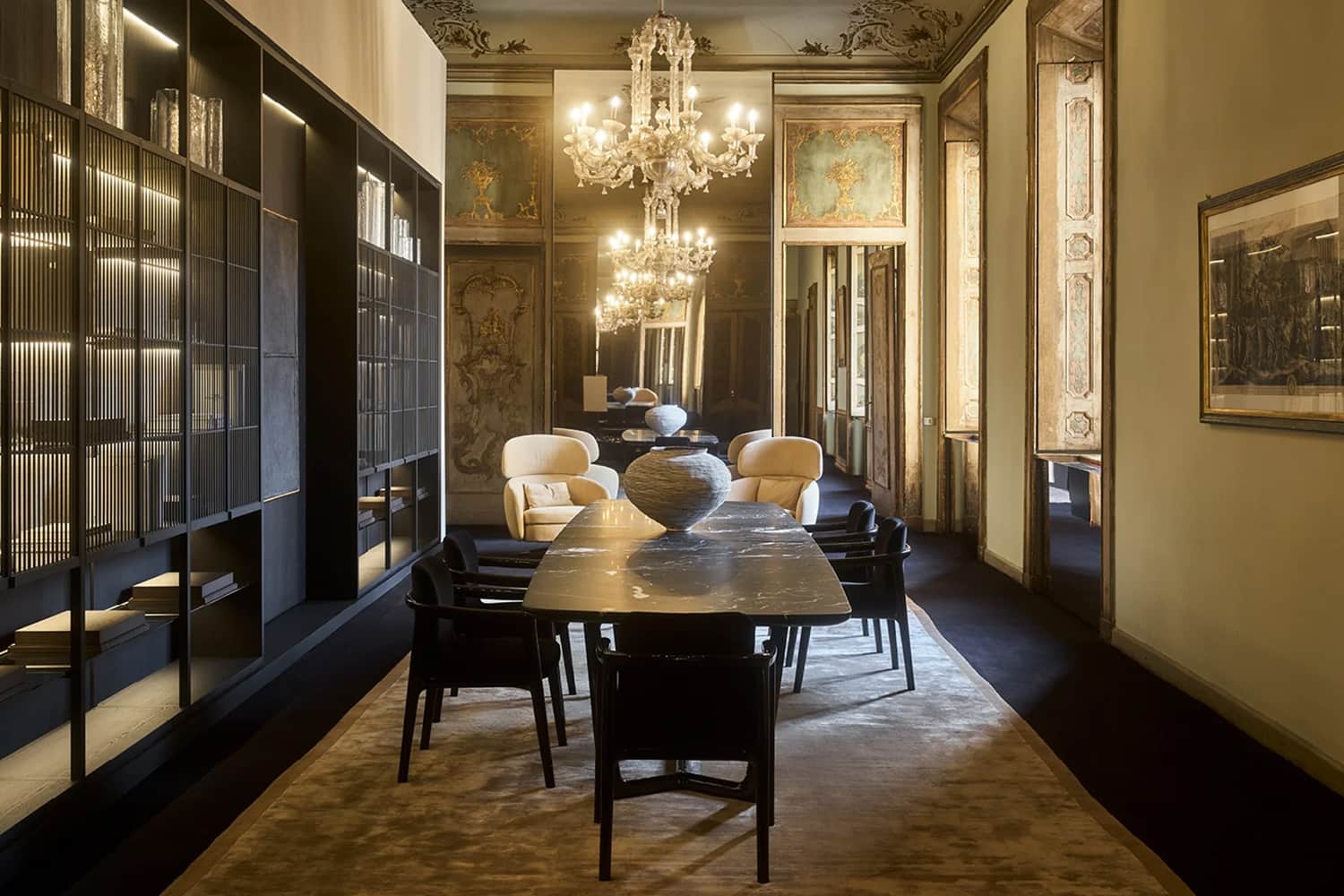
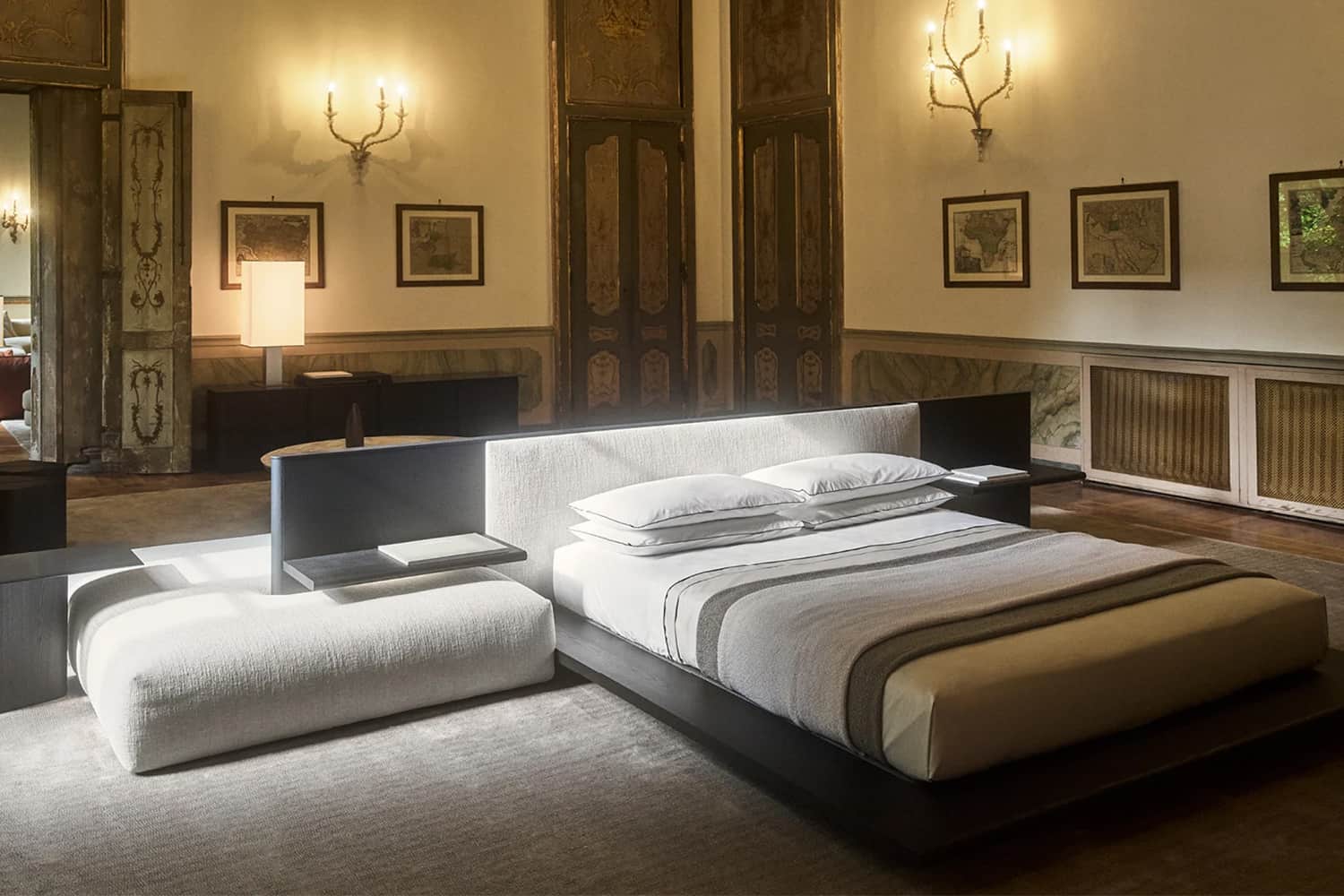
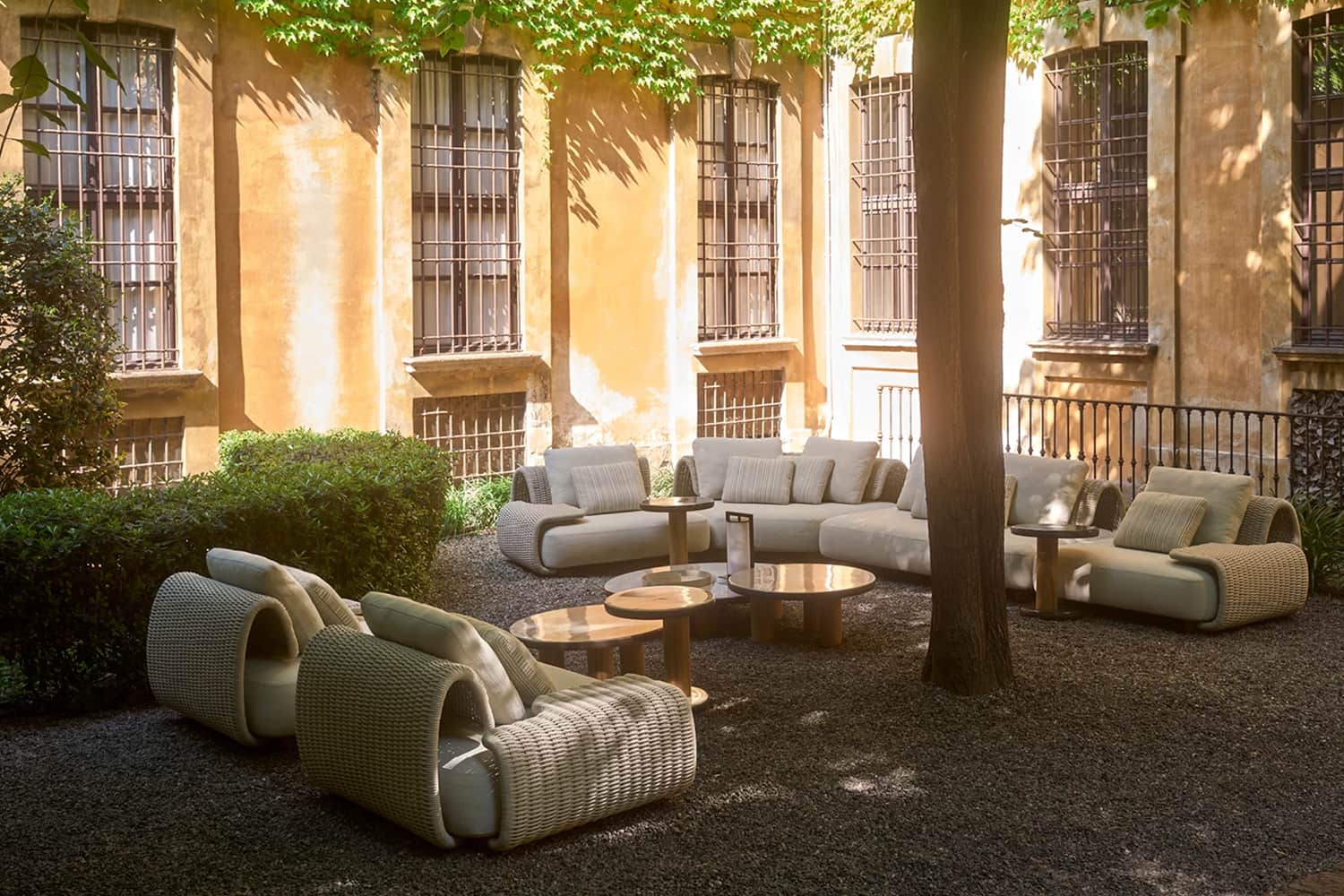
At Poliform, the collection unfolds as a complete vision of the home. Presented within the rooms of Palazzo Clerici and the new flagship in Piazza della Scala, the setting reinforces how the brand thinks about living, integrated, architectural, and continuous. The 2026 collection brings together designers including Jean-Marie Massaud, Emmanuel Gallina, and, for the first time, Yabu Pushelberg, introducing new pieces across living, dining, kitchen, and night systems. What stands out is the cohesion. Each element feels resolved within a larger spatial narrative, where materials, proportion, and function move seamlessly from one area to the next.
cc-tapis
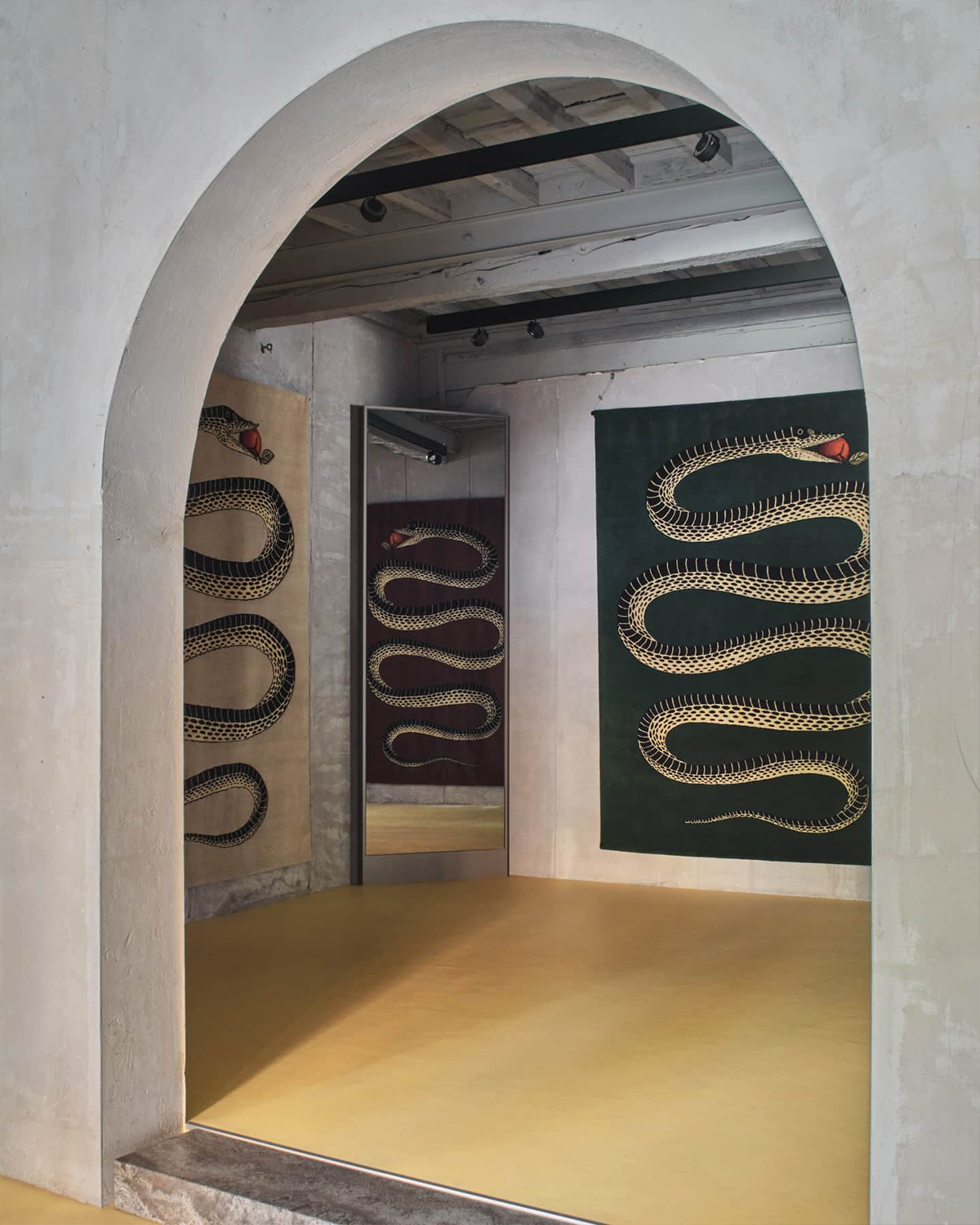
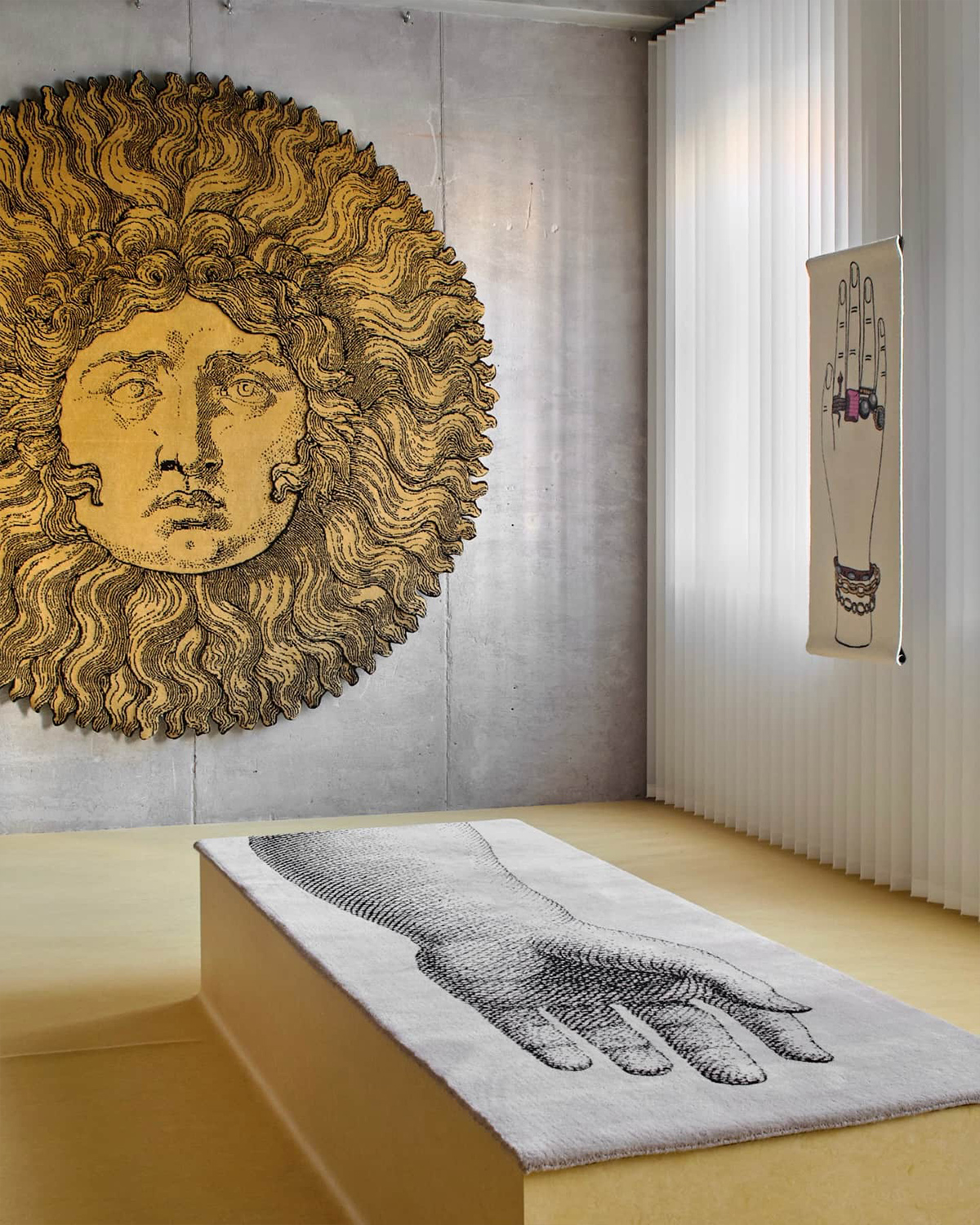
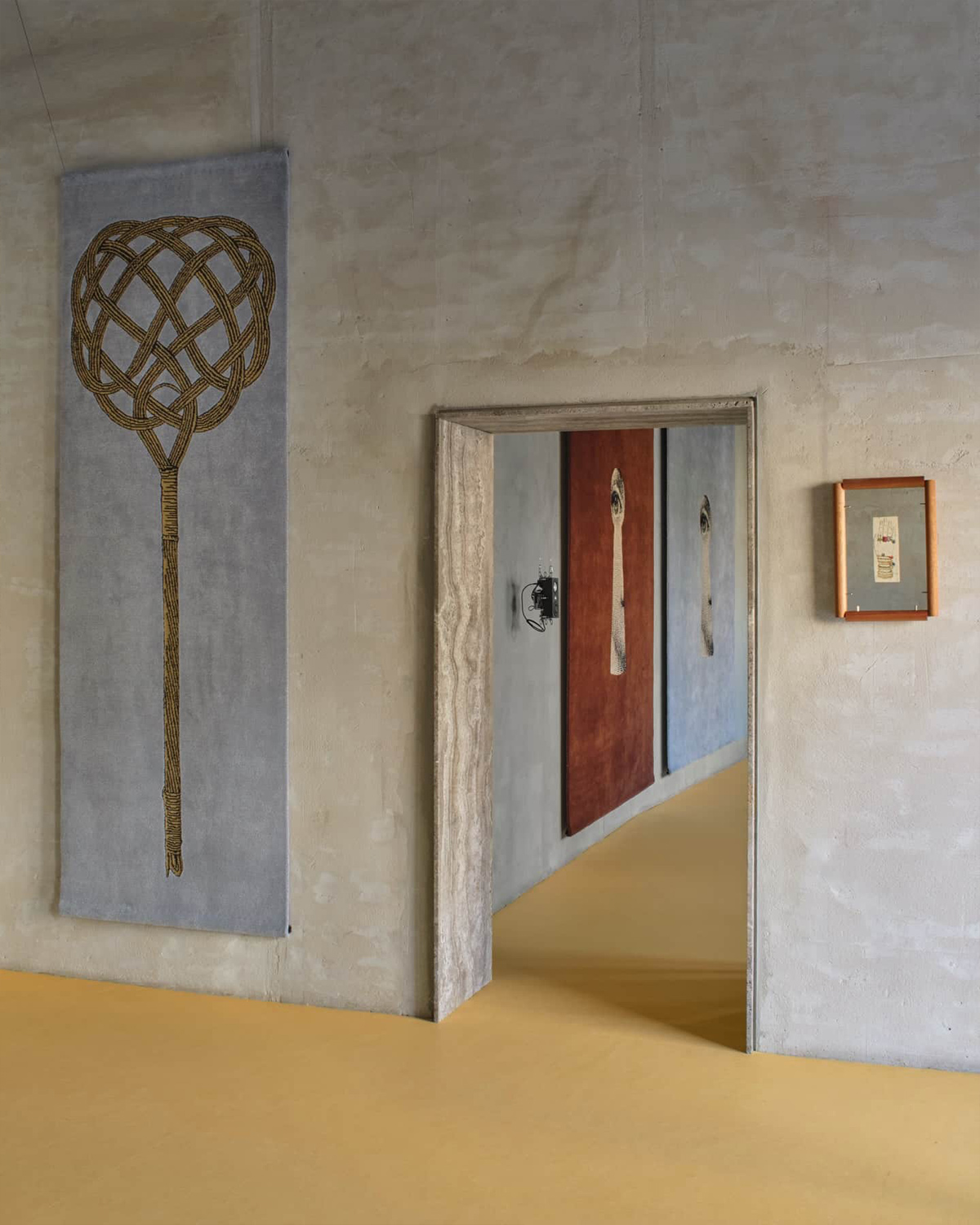
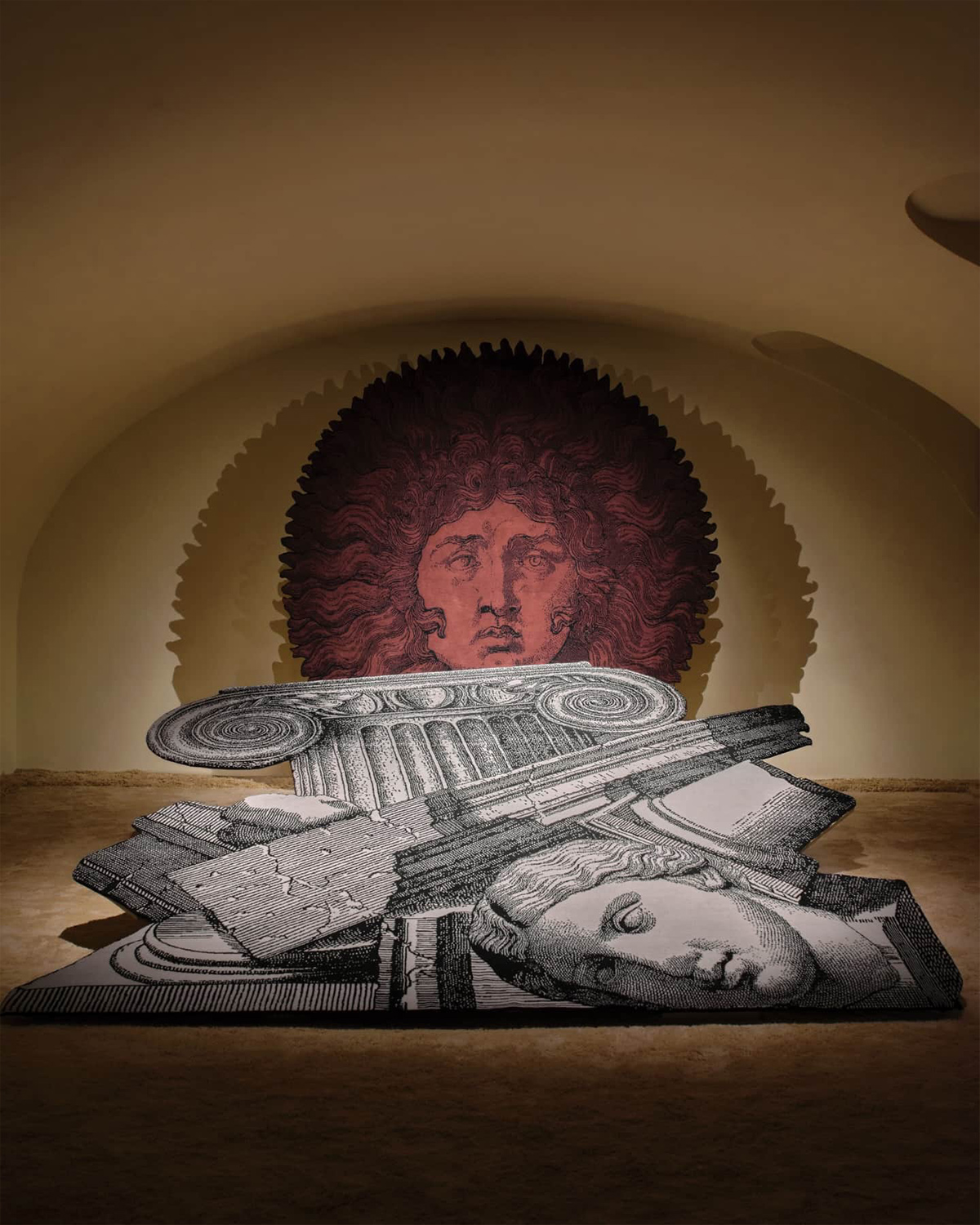
At cc-tapis, the focus turns to narrative and surface through the collaboration with Fornasetti. The (META)FISICA exhibition reinterprets archival Fornasetti motifs, translating illusion, symbolism, and irony into hand-crafted rugs that move between object and artwork. Within the installation, each piece reads almost like a stage, where trompe l’oeil imagery and layered textures create a sense of depth and storytelling. What stands out is how the rug becomes more than a surface, it becomes a medium for expression, blurring the line between textile, art, and collectible design.
Ceccotti Collezioni
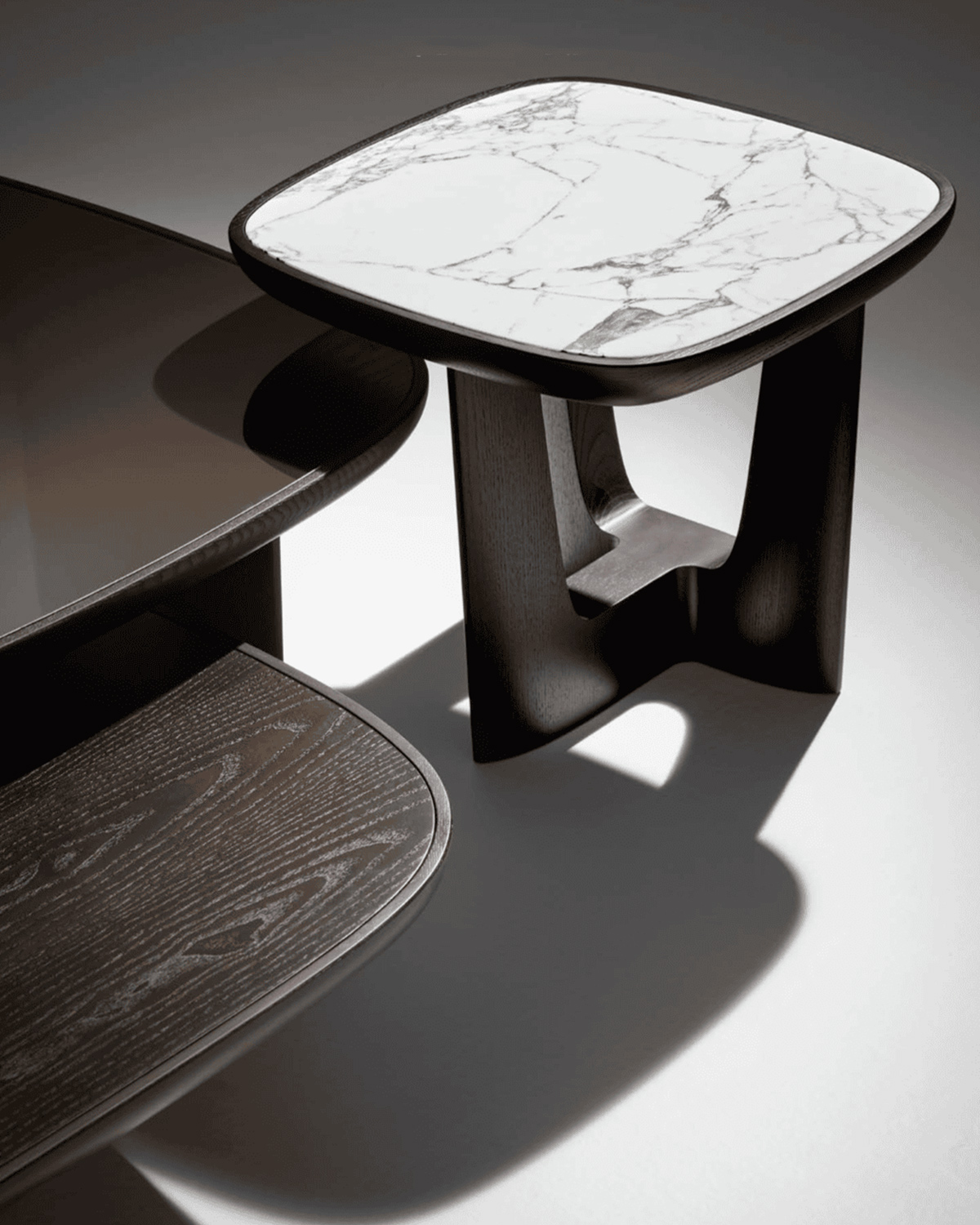
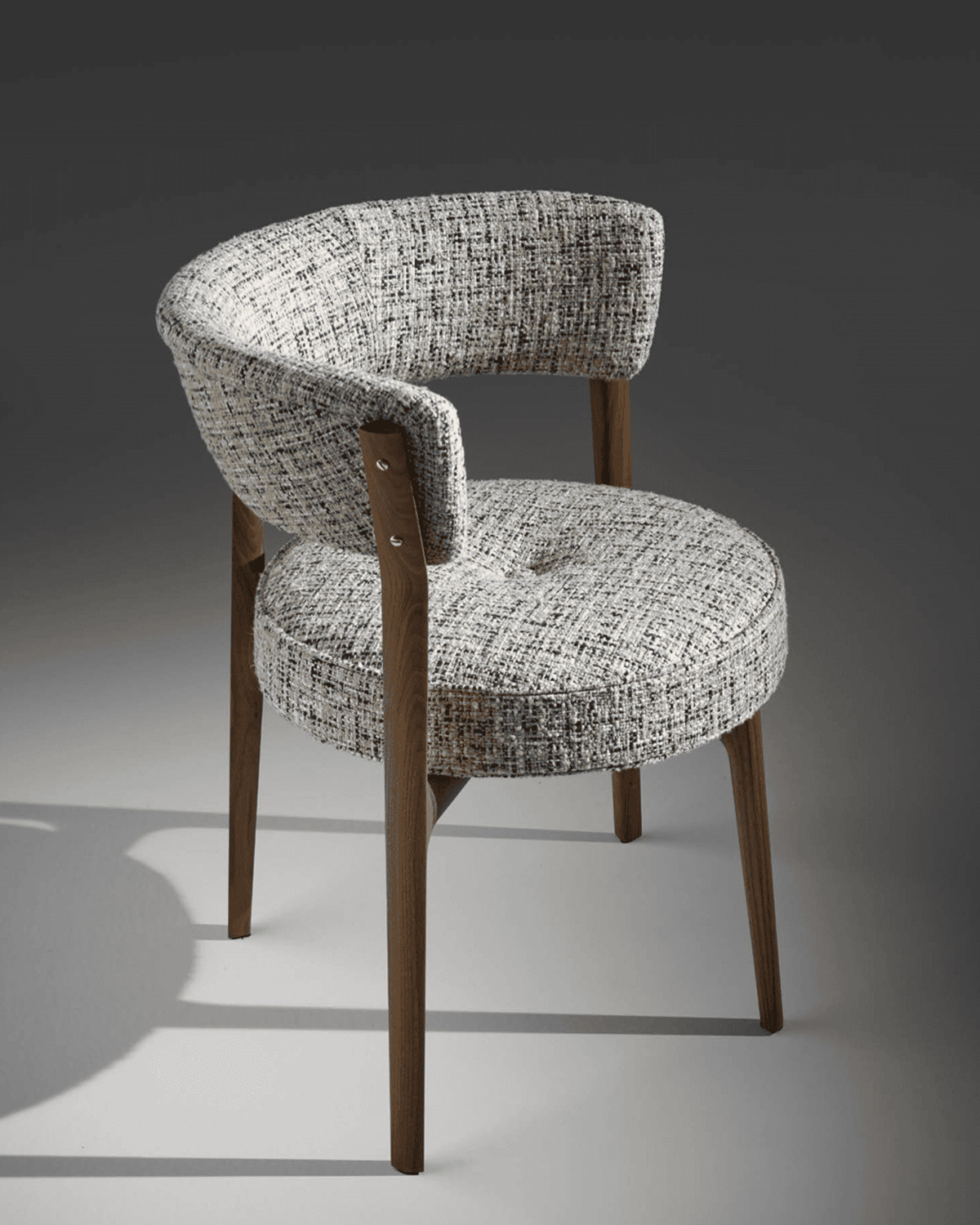
At Ceccotti Collezioni, Cosmogramma – The Journey of Form traces the process of design from first intuition to final gesture. The collection brings together new works by designers including Jean-Marie Massaud, Roberto Lazzeroni, and david/nicolas, alongside historic pieces, creating a dialogue across time. Each object feels like part of a larger narrative, where craftsmanship, material, and form evolve through a shared language. What stands out is the sense of continuity, design as a process shaped over time, with each piece carrying memory, intention, and a clear point of view.
Nemo
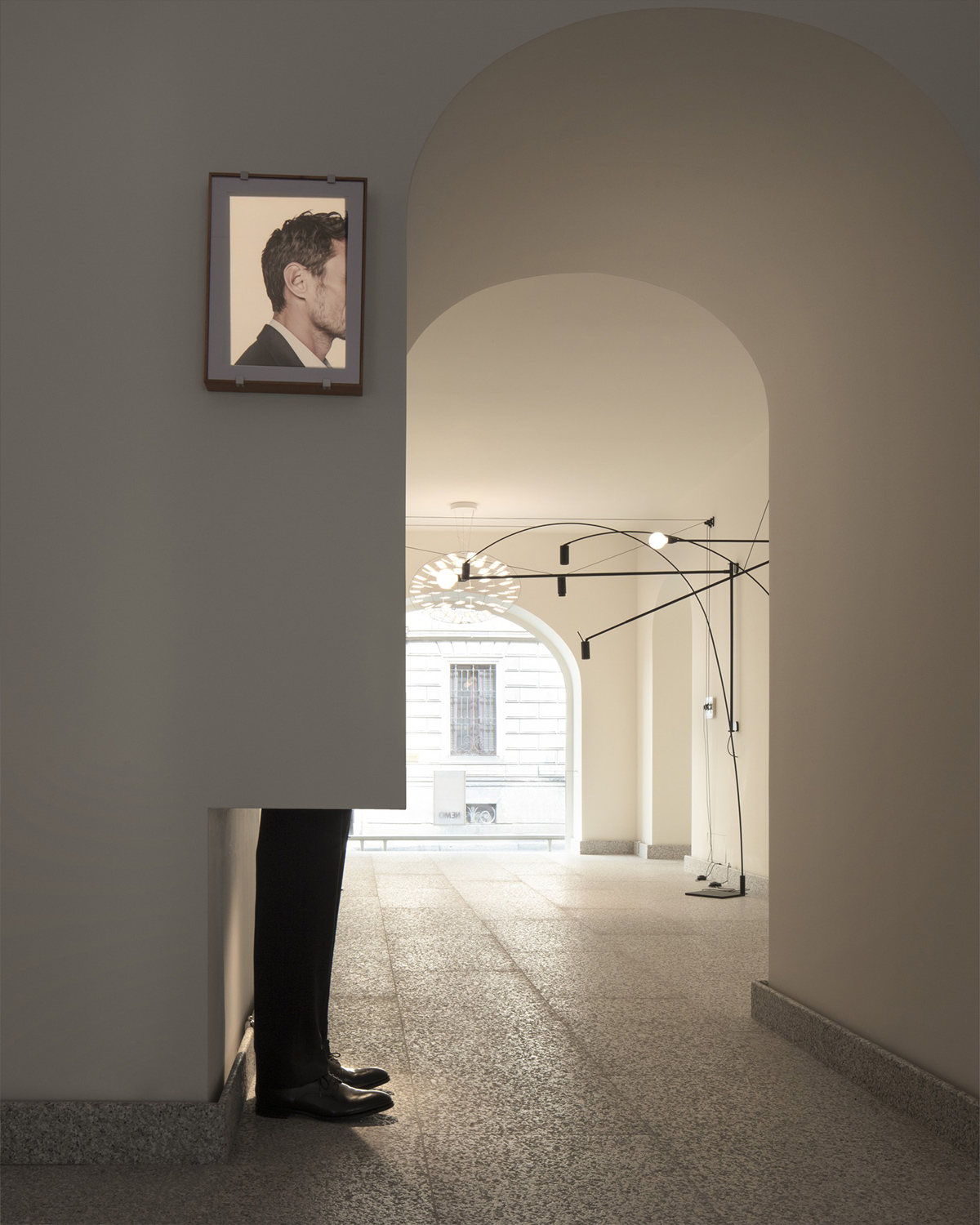
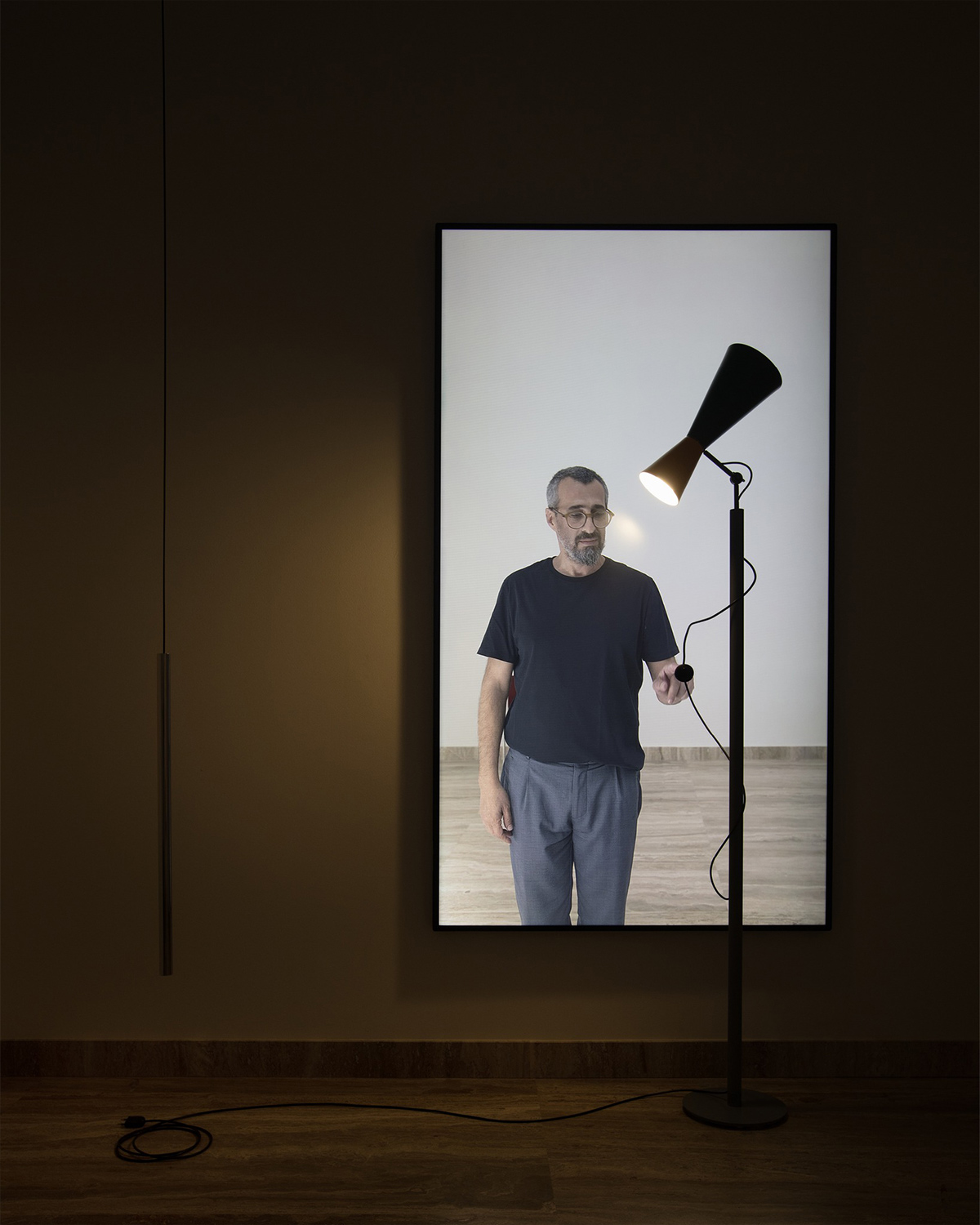
At Nemo, the focus shifts to light as something experiential. The brand unveils a new showroom shaped by a project with Ron Gilad, where lighting is treated less as an object and more as a spatial element. The installation moves between abstraction and engineering, creating a balance between imagination and technical precision. What stands out is how light guides the experience, not just illuminating the space, but shaping how it’s perceived and inhabited.
Flos
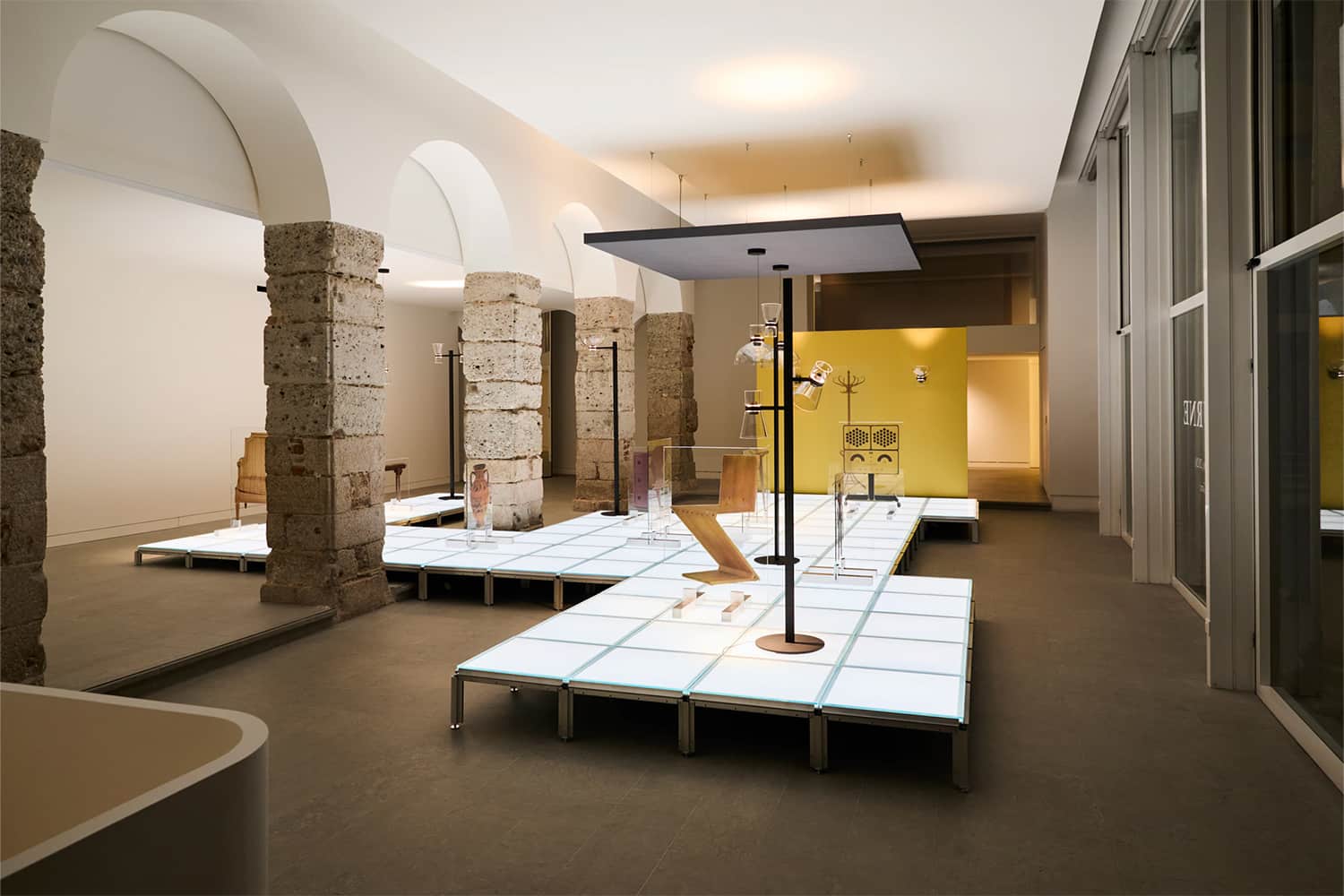
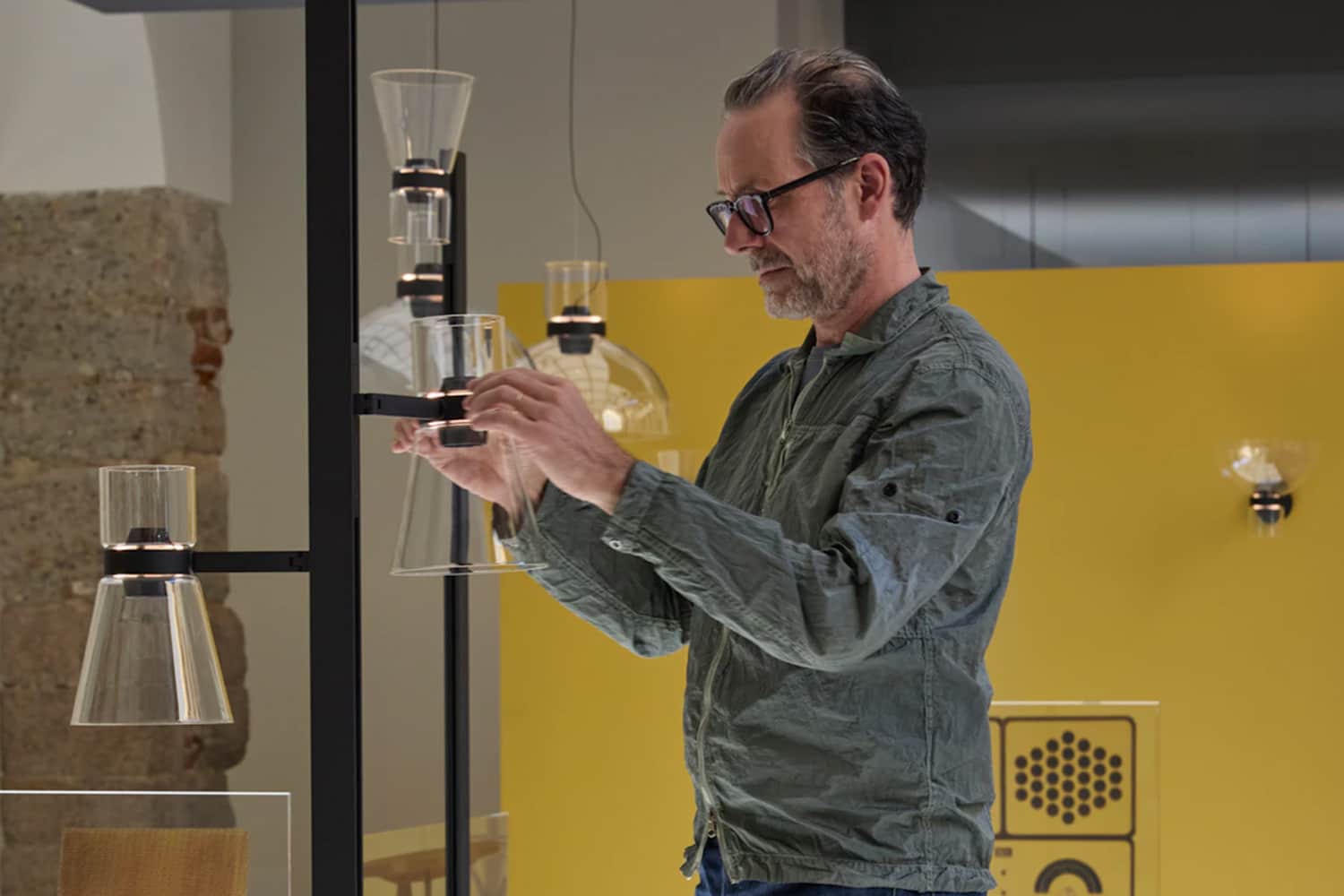
At Flos, the focus moves between innovation and clarity. Across their Milan spaces, new pieces like the Maap wall lamp by Erwan Bouroullec introduce a more sculptural and adaptable approach to light, while Konstantin Grcic’s Nocturne explores a balance between focused and ambient illumination. The installations feel intentional and pared back, allowing each fixture to define its relationship to space. What comes through is a continued refinement of light as both a technical system and a design language, shaping atmosphere as much as it illuminates.
Visit us on our Instagram page for realtime images during Milan Design Week.